Haircut Dictionary
Every term you need to know before your next barbershop visit.
Fade & Taper Types
How the sides and back transition from longer to shorter — the most confusing terms for new barbershop visitors.
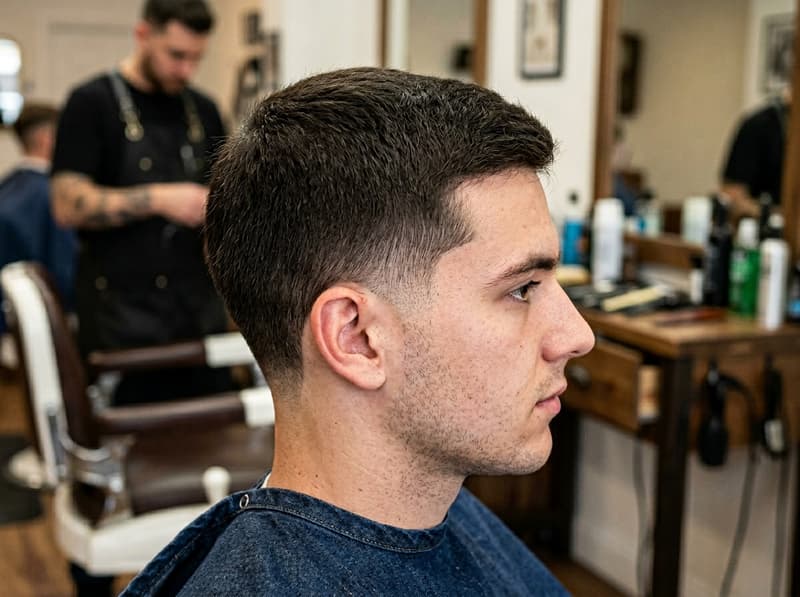
Low Taper
Gradual blend starting just above the ear and neckline. Subtle, conservative.
Look for: Hair still covers ears, gentle transition
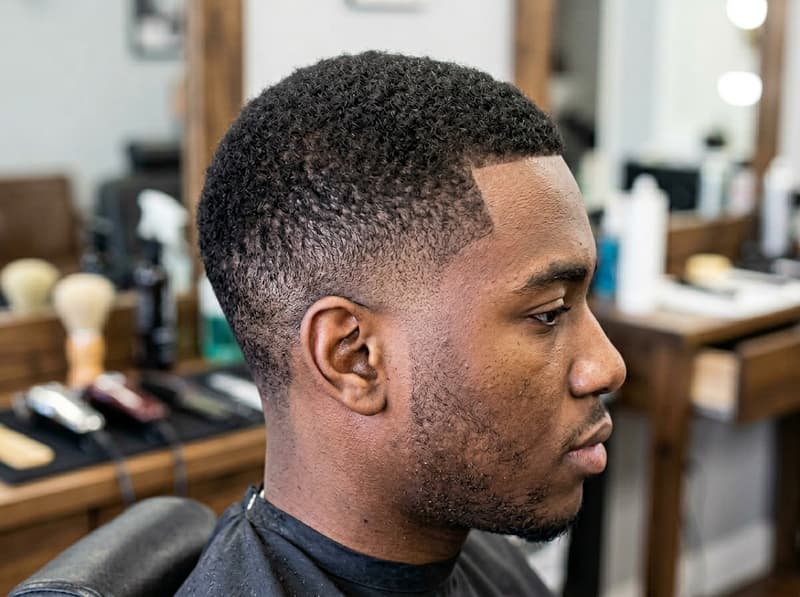
Mid Taper
Blend starts midway up the head, about ear level.
Look for: Clean around ears, natural above
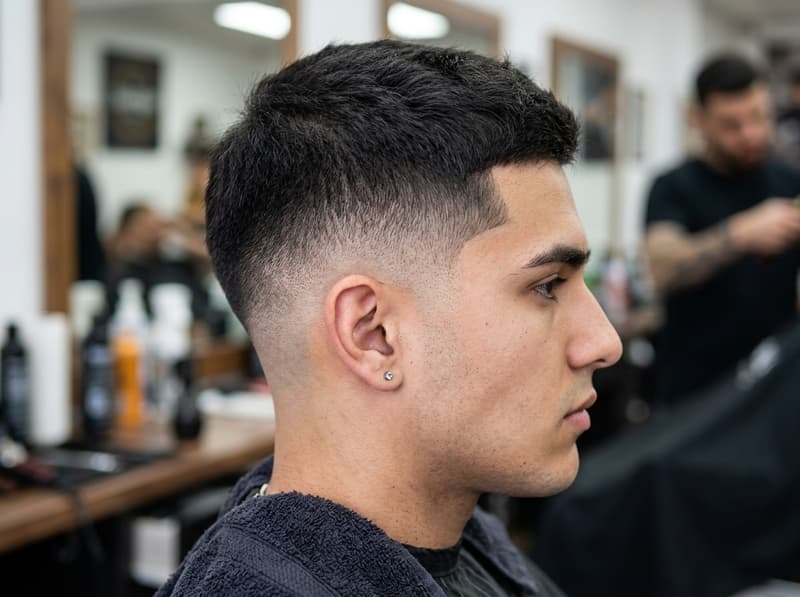
Low Fade
Skin-visible blend starting just above the ear. Sharper than a taper.
Look for: Skin shows at the very bottom, quick gradient
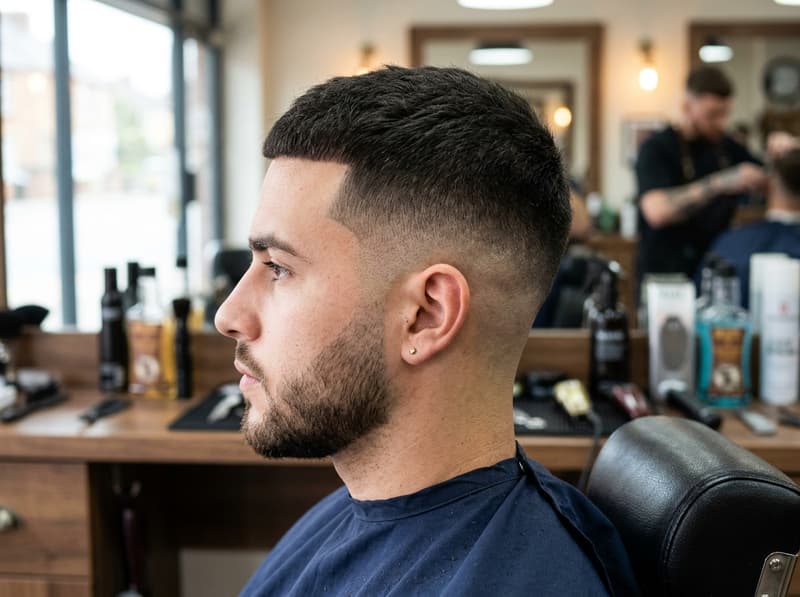
Mid Fade
Skin-visible blend starting at ear level. The most popular fade.
Look for: Clear skin exposure at temples, blends to length on top
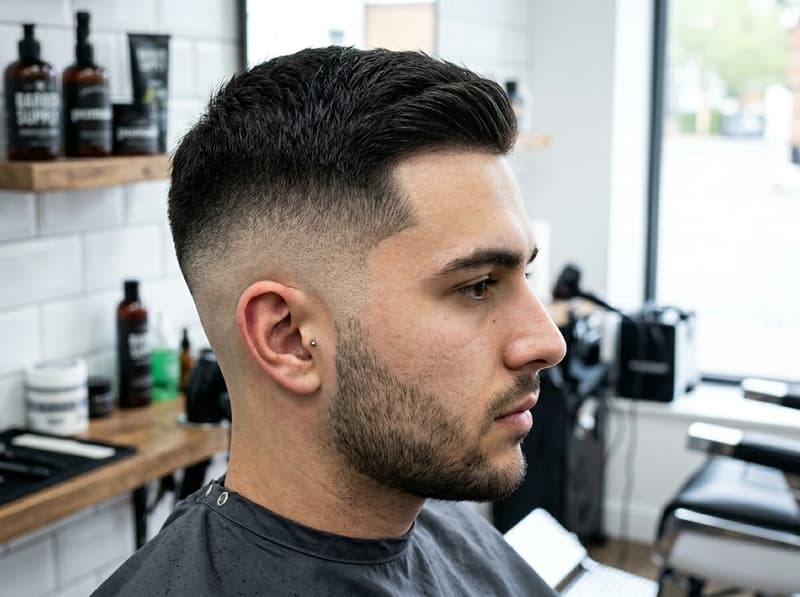
High Fade
Skin-visible blend starting well above the ear. Dramatic contrast.
Look for: Skin exposure goes high up the sides, lots of contrast
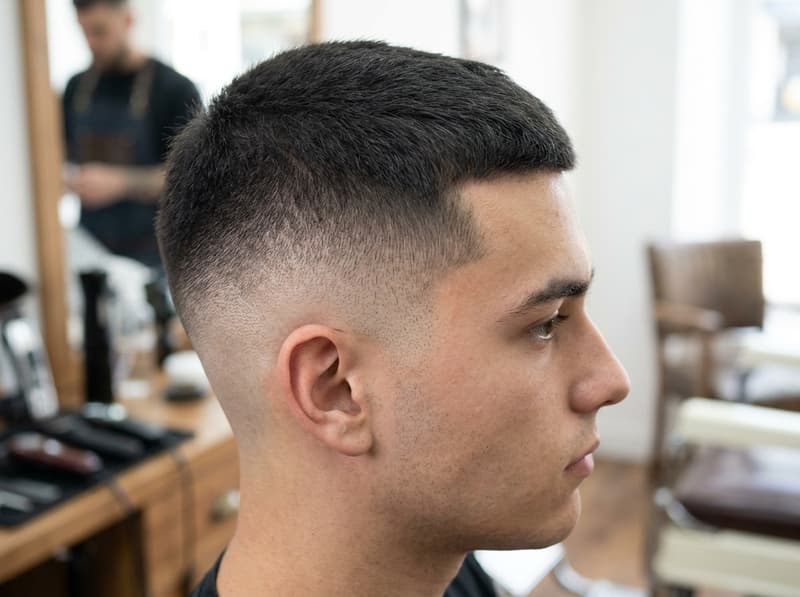
Skin Fade
Fades all the way down to bare skin (also called "bald fade").
Look for: Razor-smooth at the bottom
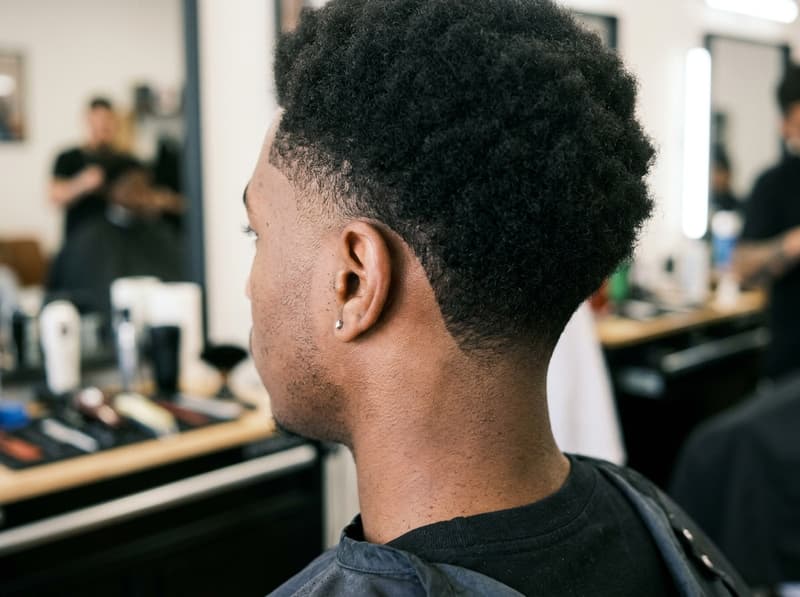
Burst Fade
Fade curves around the ear in a semicircle, leaving length at the back.
Look for: Distinctive curved shape behind the ear
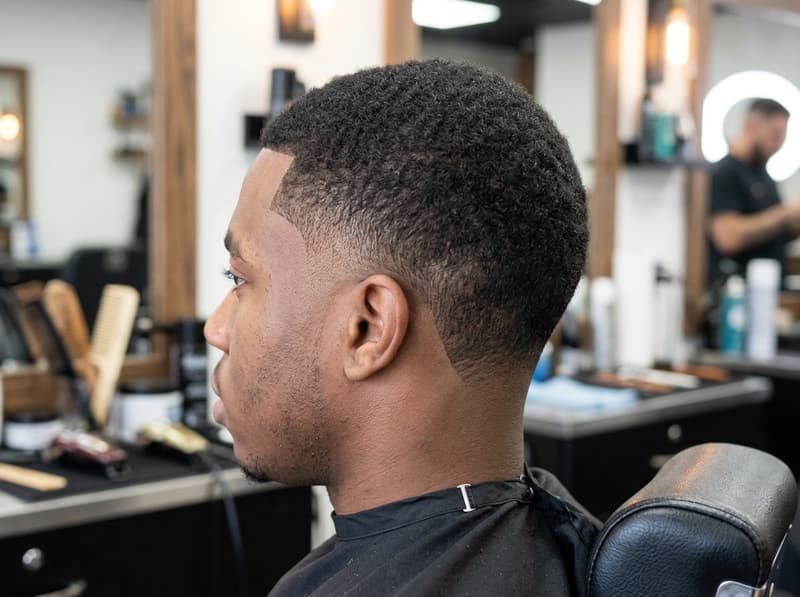
Drop Fade
Fade line drops down behind the ear rather than going straight across.
Look for: Lower in the back than the front
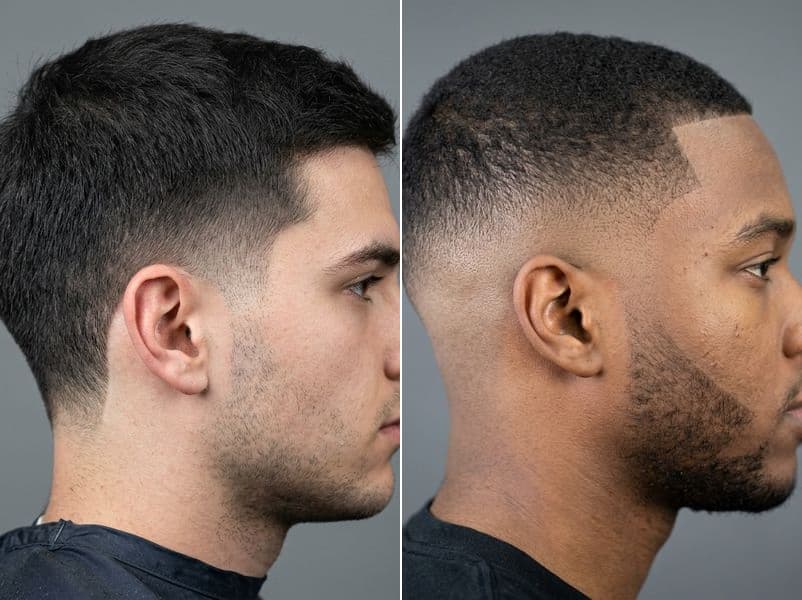
Taper vs Fade
Taper = gradual blend, never to skin. Fade = blends down to skin. Both describe the sides, but the end result is different.
Look for: Side-by-side comparison — taper keeps hair, fade exposes skin
Top Styles
What happens on top of the head — the part that defines your overall look.
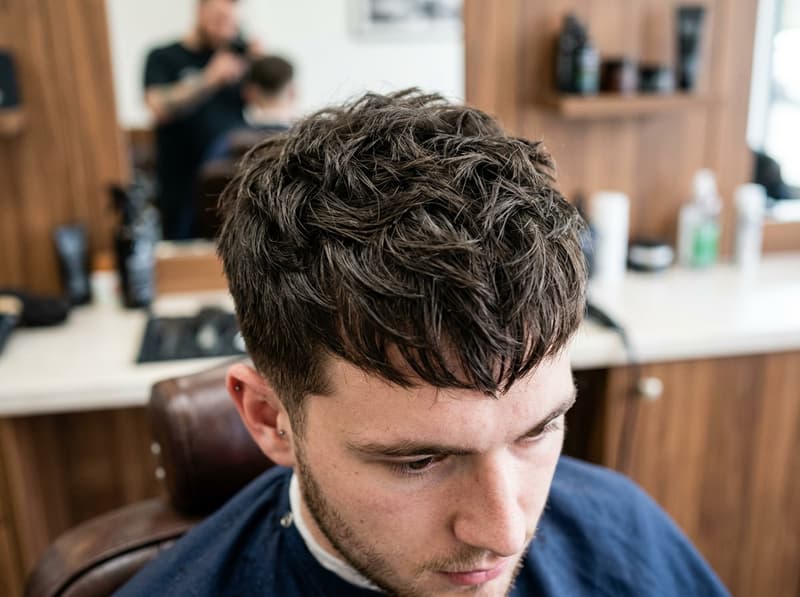
Textured Crop
Short choppy layers on top, usually pushed forward.
Look for: Visible individual pieces of hair, not smooth
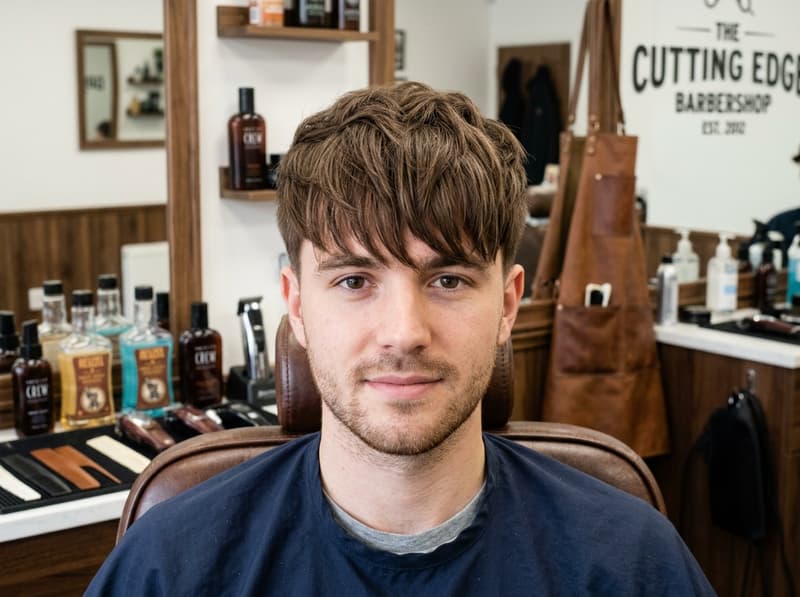
Fringe / Bangs
Hair falling forward over the forehead.
Look for: Hair covers forehead partially
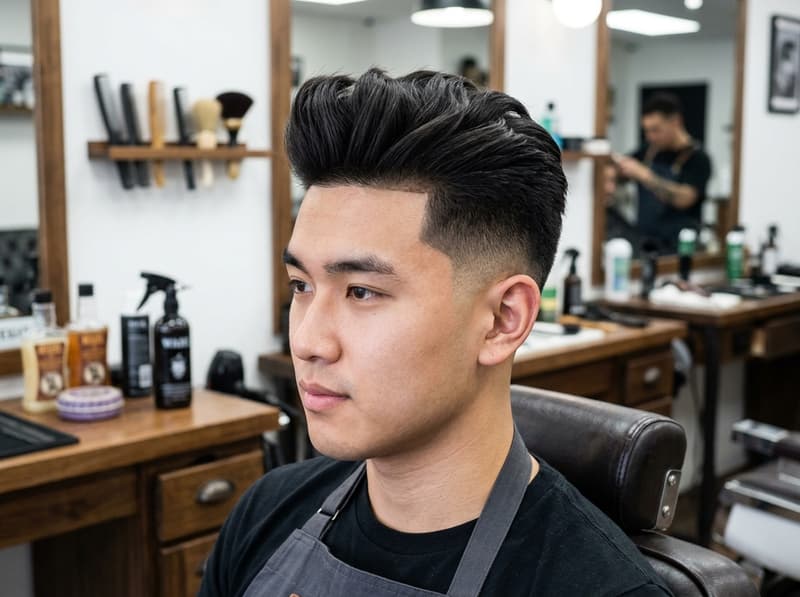
Quiff
Volume swept upward and slightly back at the front.
Look for: Height at the front, swept back
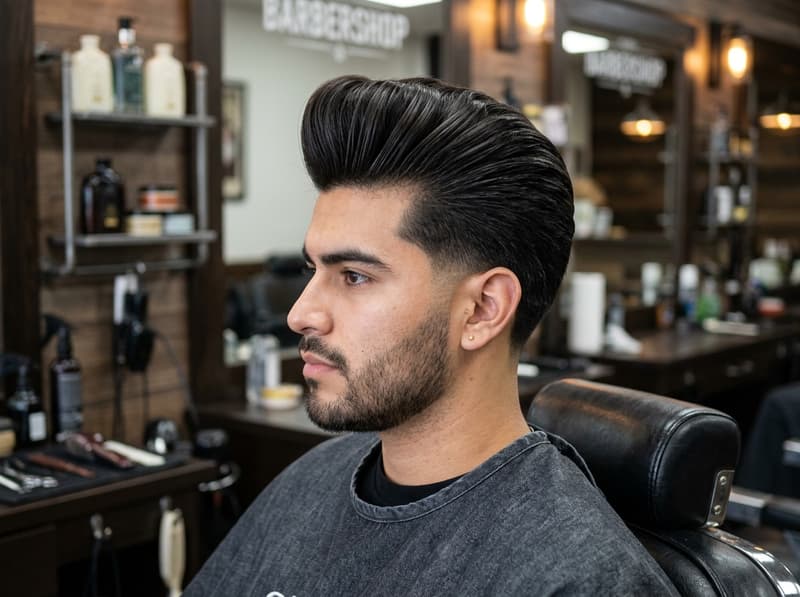
Pompadour
All volume swept up and back from the forehead. More dramatic than a quiff.
Look for: Big volume, slicked back, no fringe
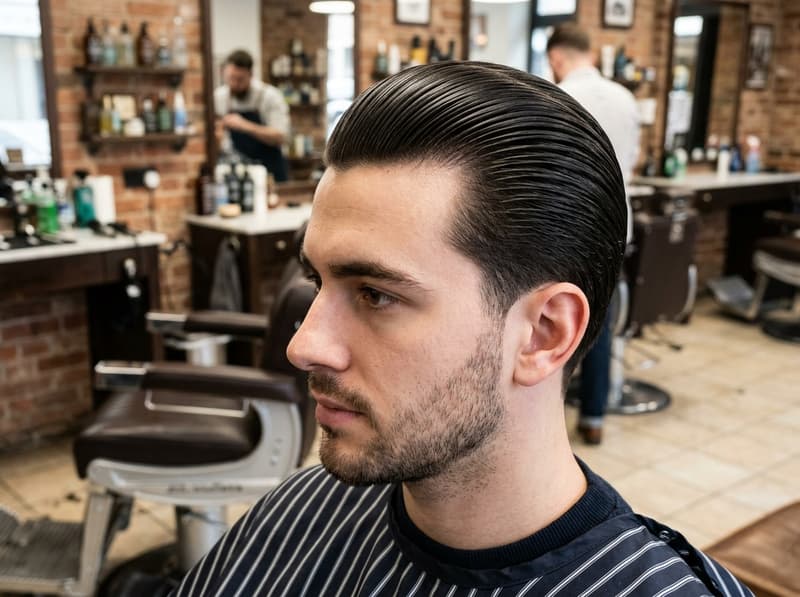
Slick Back
Hair combed flat straight back with product.
Look for: Smooth, shiny, flat against head
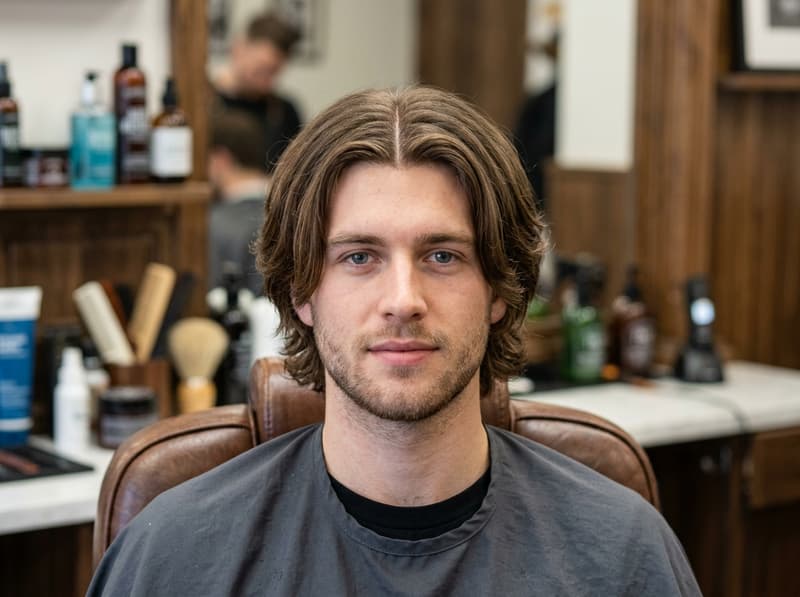
Curtains / Centre Part
Hair parted down the middle, falling to each side.
Look for: Visible centre line, hair draping each side
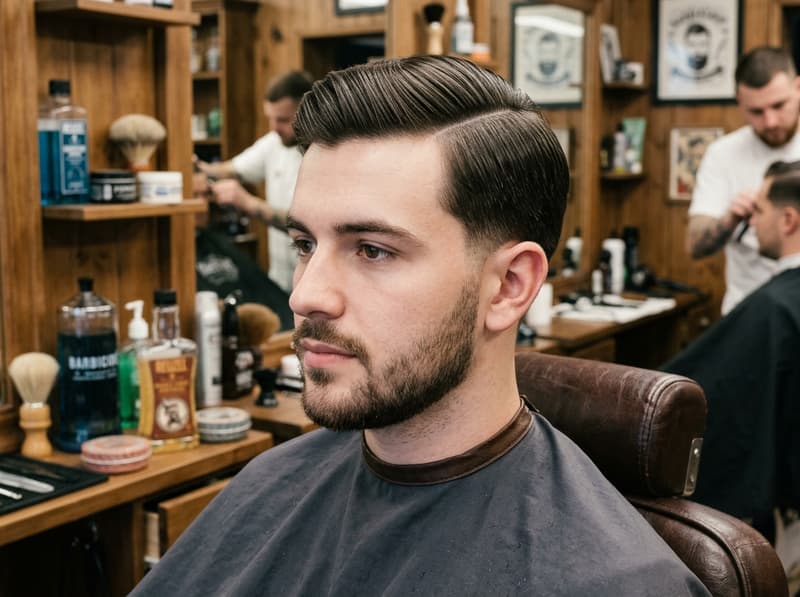
Side Part
Hair parted on one side, combed over.
Look for: Defined line on one side
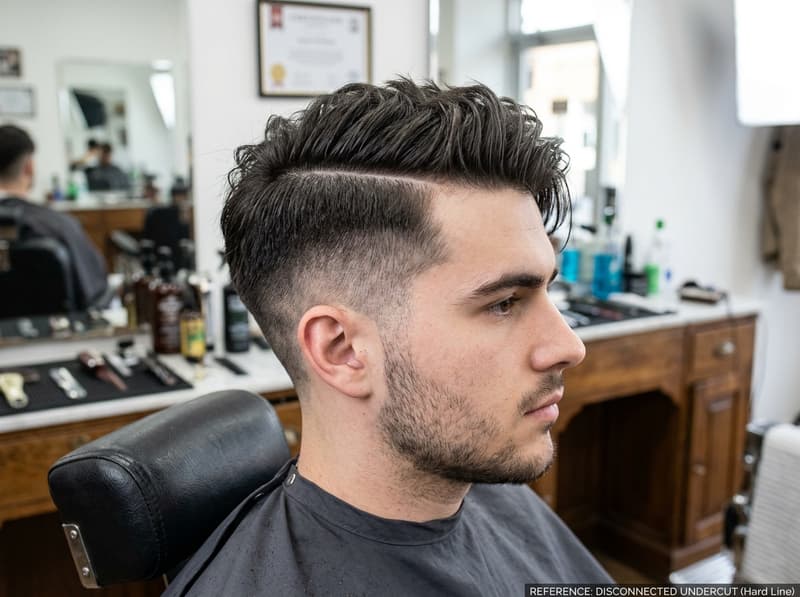
Undercut
Sharp disconnect between long top and short sides — no blending.
Look for: Visible hard line where top meets sides
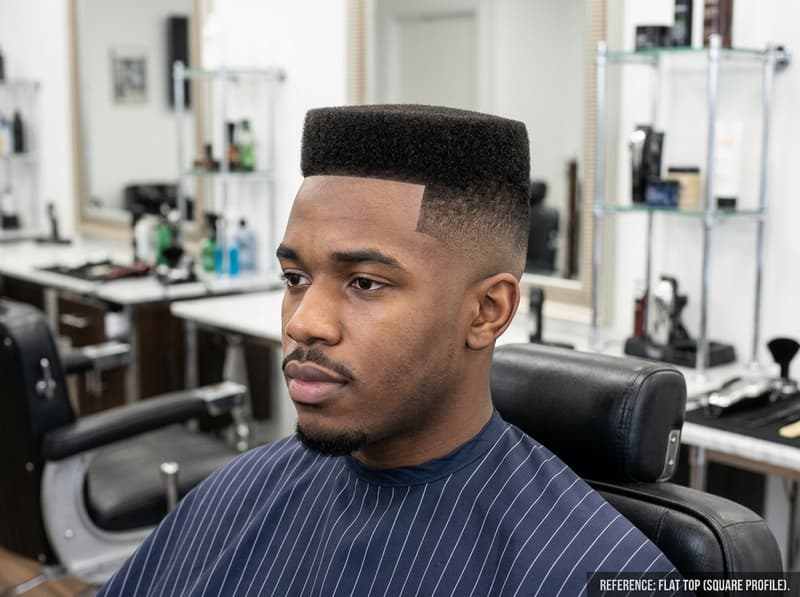
Flat Top
Top cut flat and square, creating a table-like silhouette.
Look for: Geometric, flat horizontal plane
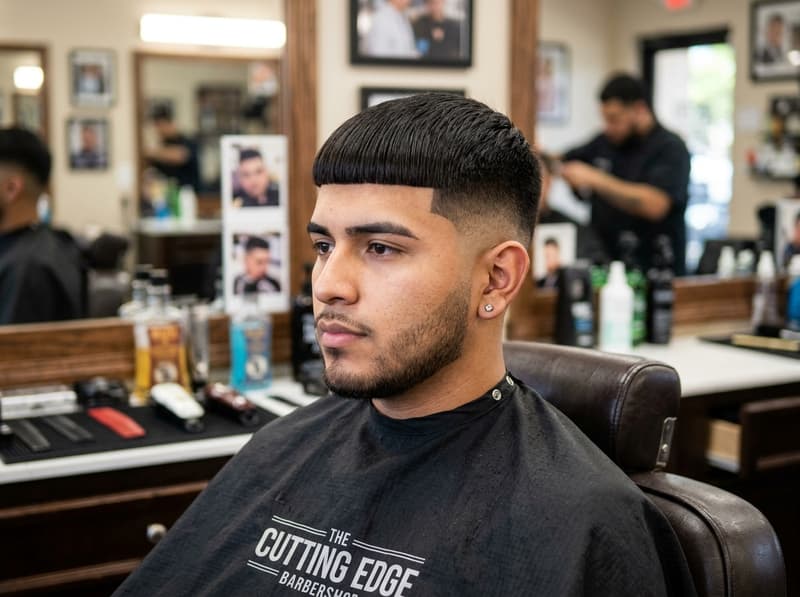
Edgar
Short textured top pushed forward into a blunt, straight-line fringe.
Look for: Dead-straight front line across the forehead
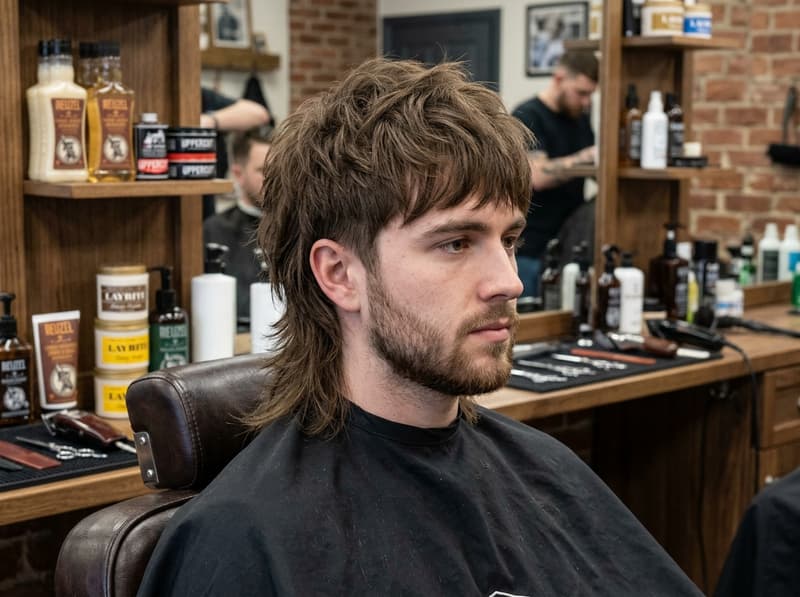
Wolf Cut
Heavy choppy layers, full at the crown, wispy at the ends — shag meets mullet.
Look for: Big messy volume on top, longer pieces below
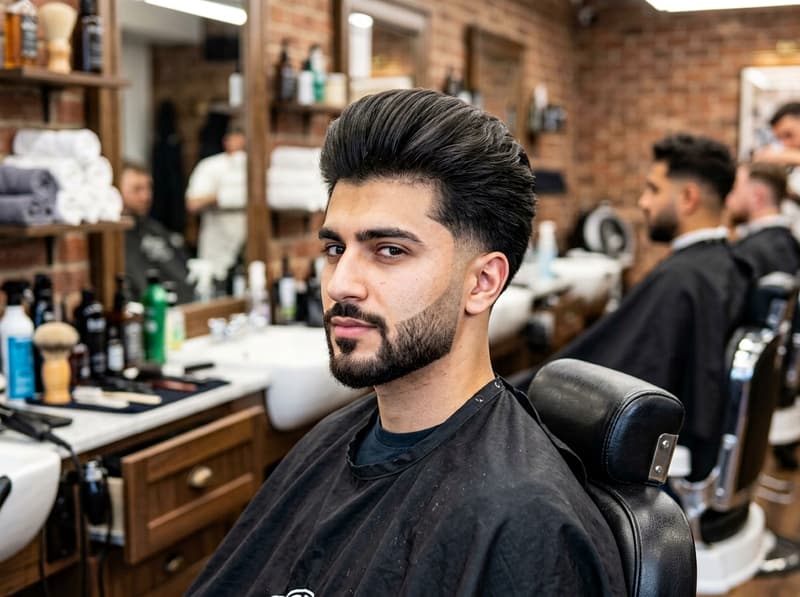
Blowout
Hair blown up and back off the forehead with a dryer for maximum volume.
Look for: Tall, airy volume swept away from the face
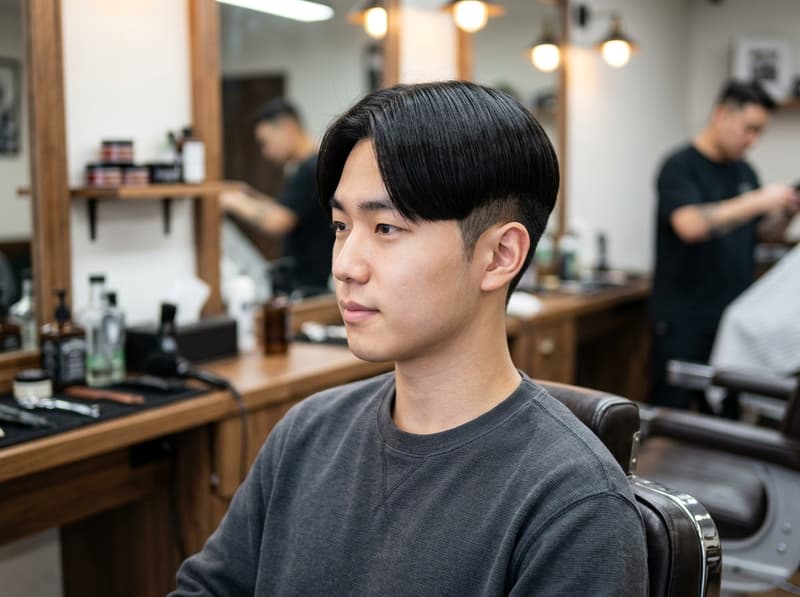
Two Block
Long top falling over sides clipped short underneath. Korean barbershop staple.
Look for: Full draped top hiding short clipped sides
Texture & Curl Terms
Hair types and techniques that create or enhance texture and curl pattern.
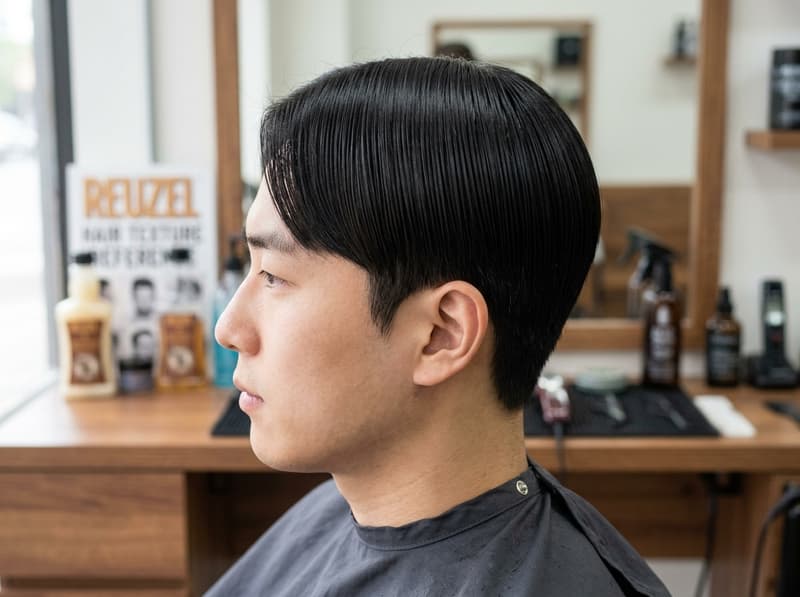
Straight
Hair falls flat without curving. Type 1 hair.
Look for: Smooth, no wave pattern
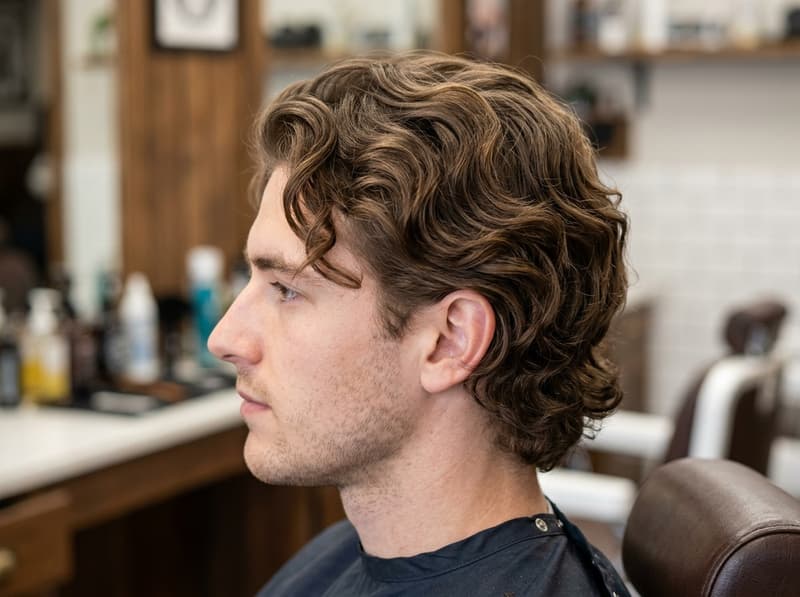
Wavy
Loose S-curves, not full spirals. Type 2 hair.
Look for: Gentle bends, some movement
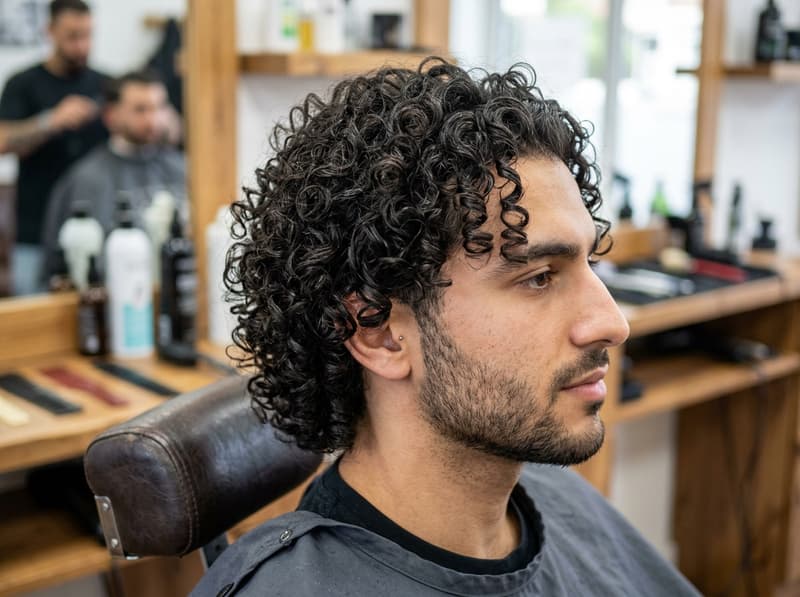
Curly
Defined spiral curls. Type 3 hair.
Look for: Visible coils/ringlets
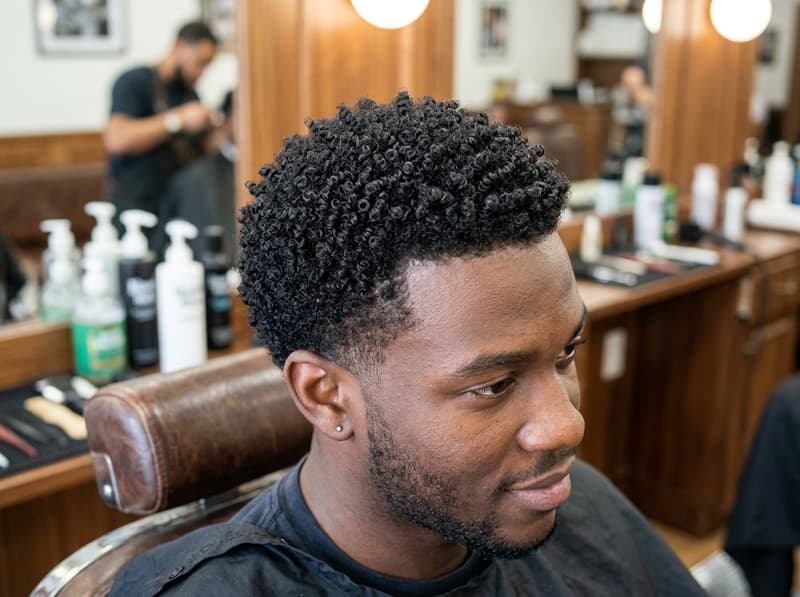
Coily
Tight zigzag or coil pattern. Type 4 hair.
Look for: Very tight, springy curls
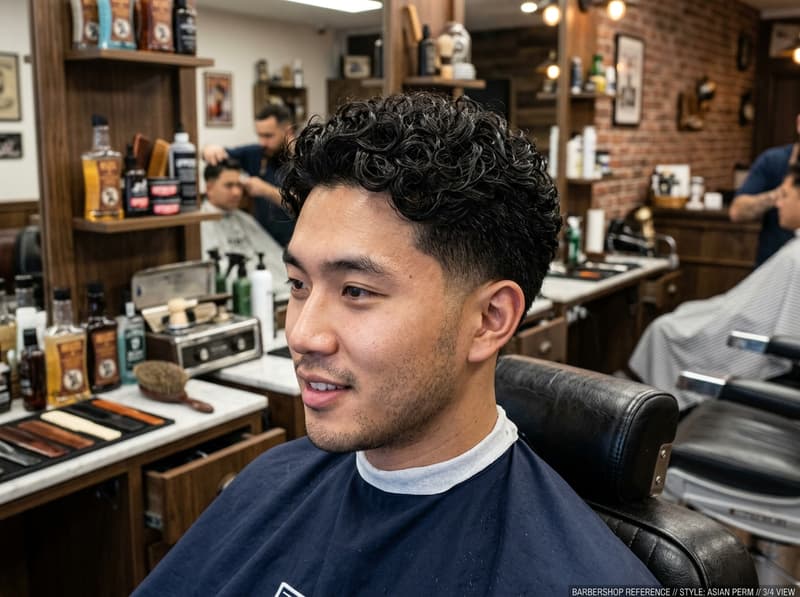
Perm
Chemical treatment to add curl to straight hair.
Look for: Uniform curls on previously straight hair
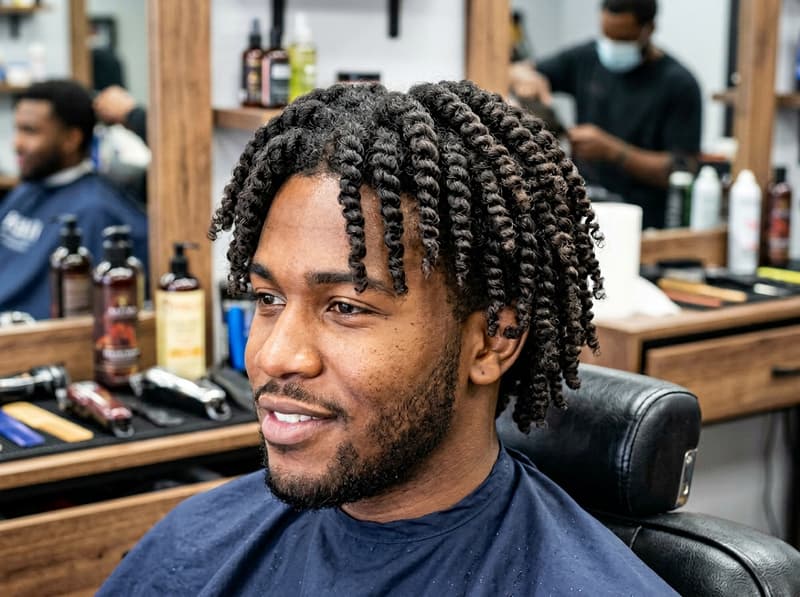
Twist-out
Style created by unraveling two-strand twists.
Look for: Defined wave pattern from twist shape
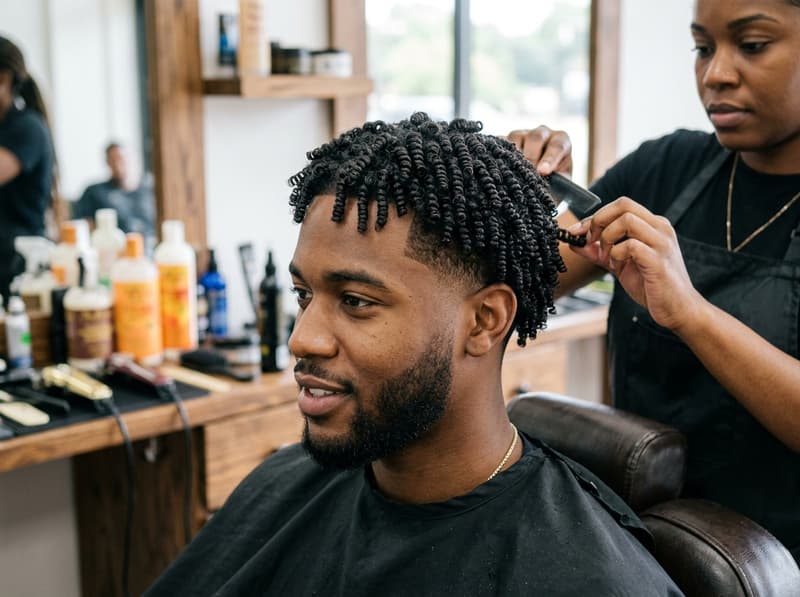
Finger Coils
Individual curls shaped by wrapping around a finger.
Look for: Uniform, defined individual coils
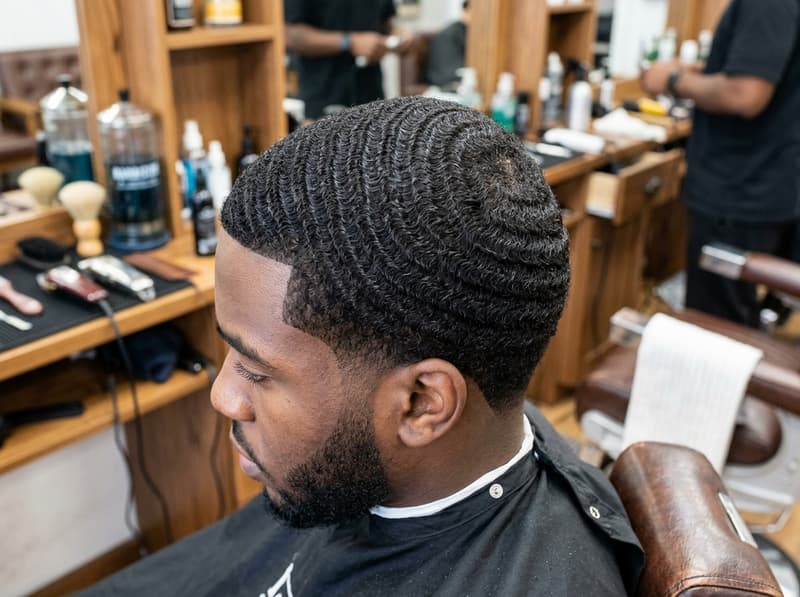
360 Waves
Rippled pattern trained into short coily hair by daily brushing with the grain.
Look for: Concentric wave rings spiraling from the crown
Protective Styles
Styles that protect hair from damage by minimizing manipulation and exposure.
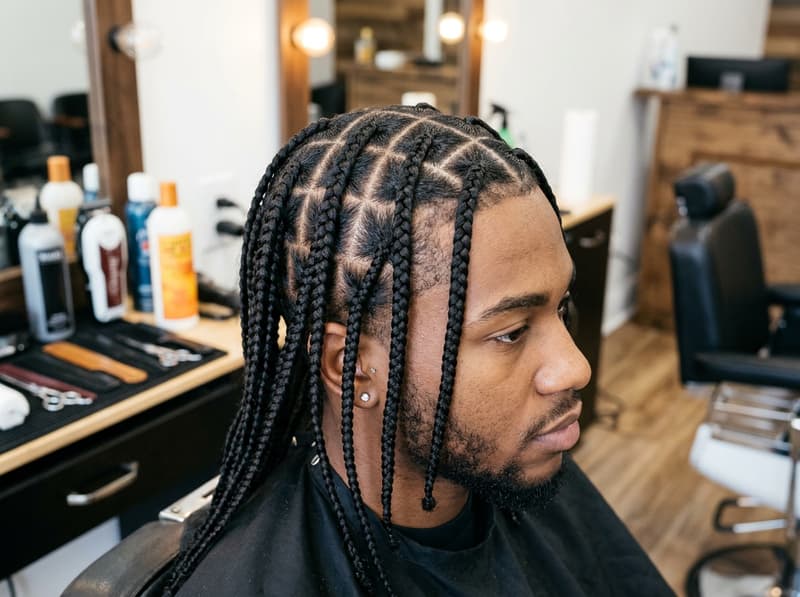
Box Braids
Hair sectioned into square parts, each braided down.
Look for: Visible square/box-shaped sections at the scalp
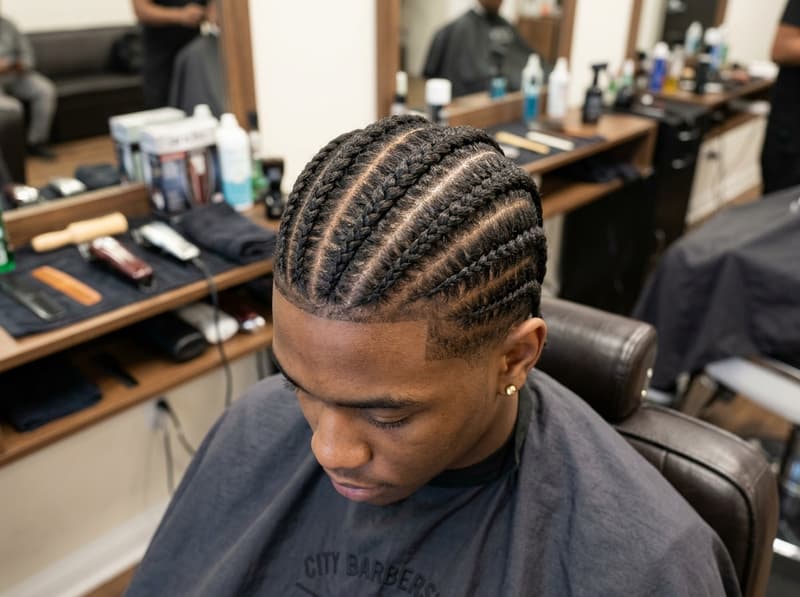
Cornrows
Hair braided flat against the scalp in rows.
Look for: Raised braids flush to head, visible scalp between rows
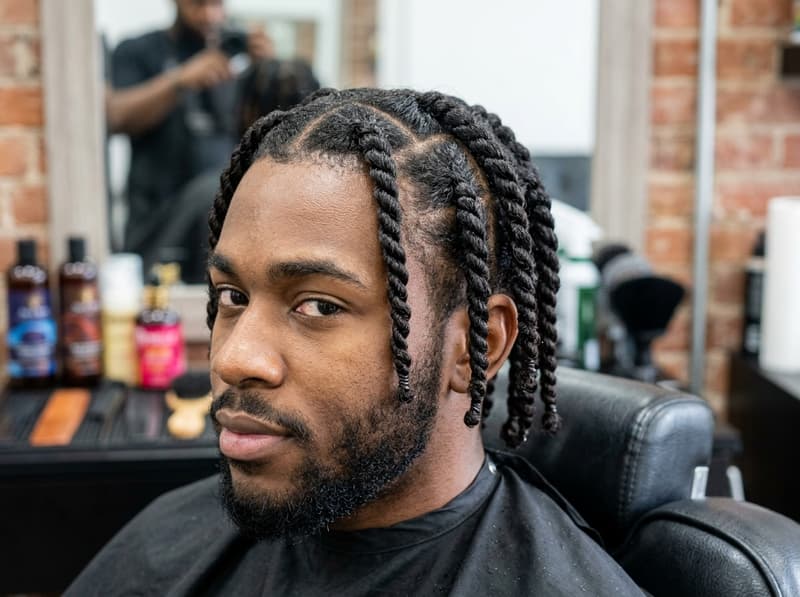
Two-Strand Twists
Two sections of hair wound around each other.
Look for: Rope-like twisted strands
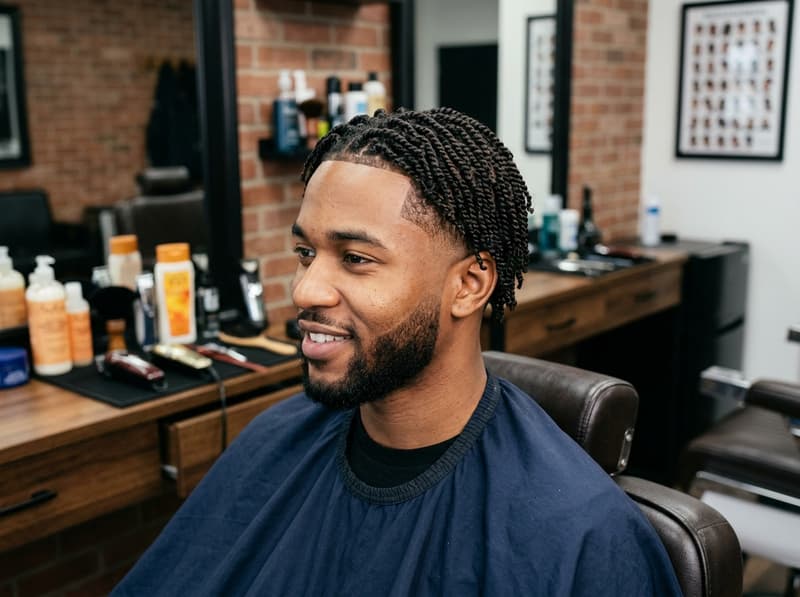
Mini Twists
Smaller, more numerous twists for a refined look.
Look for: Many small, uniform twists
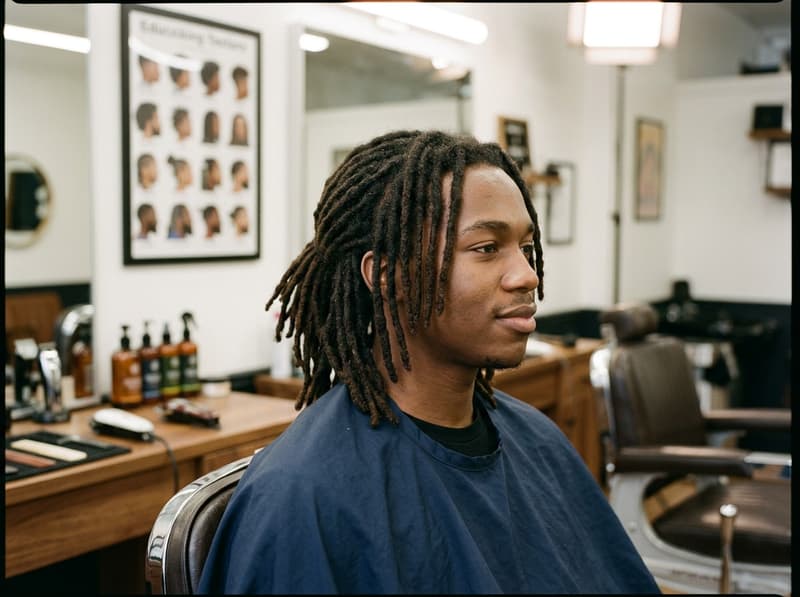
Locs
Hair allowed to mat and lock together permanently.
Look for: Thick, rope-like strands (formed over time)
Barber Finishing Techniques
The final touches your barber applies to clean up and refine the cut.
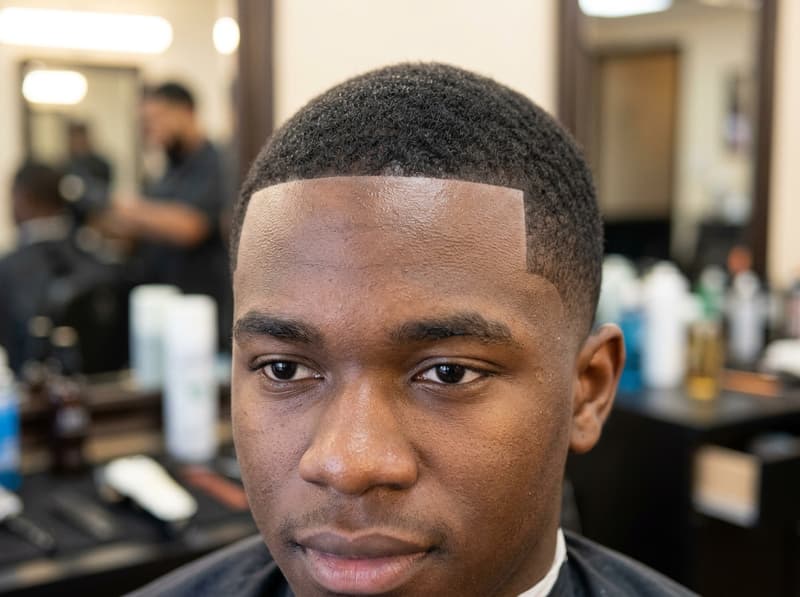
Shape-up / Line-up
Razor-clean edges around the hairline, temples, and nape.
Look for: Sharp, geometric hairline
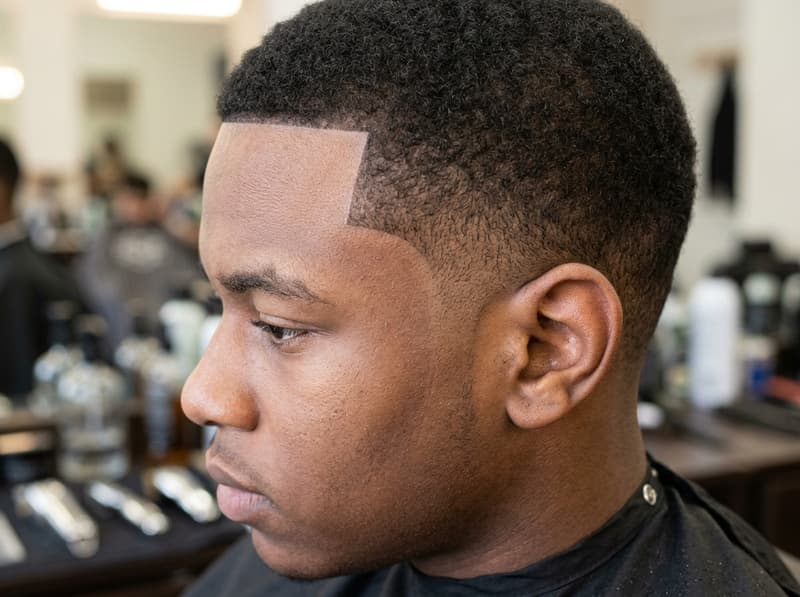
Edge-up
Same as shape-up — clean defined edges.
Look for: Razor-precise lines
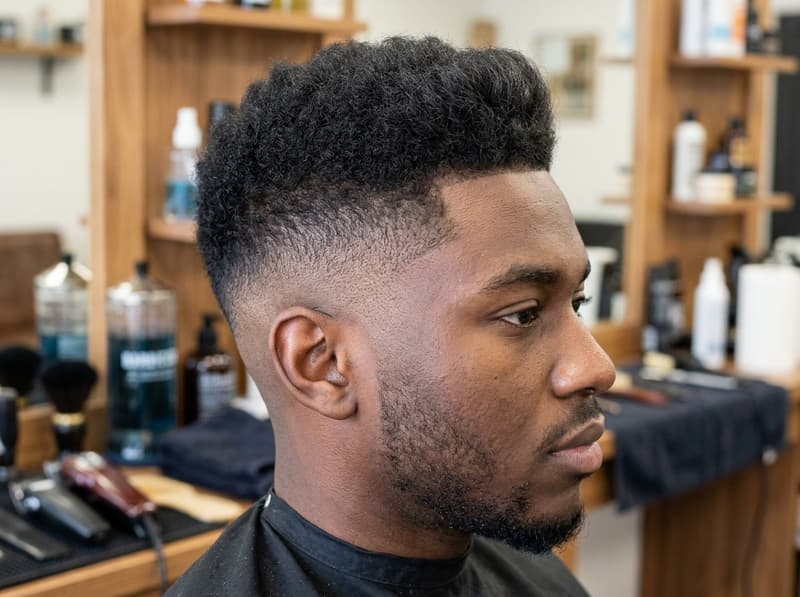
Blend
Seamless transition between two lengths.
Look for: Gradual, no visible line
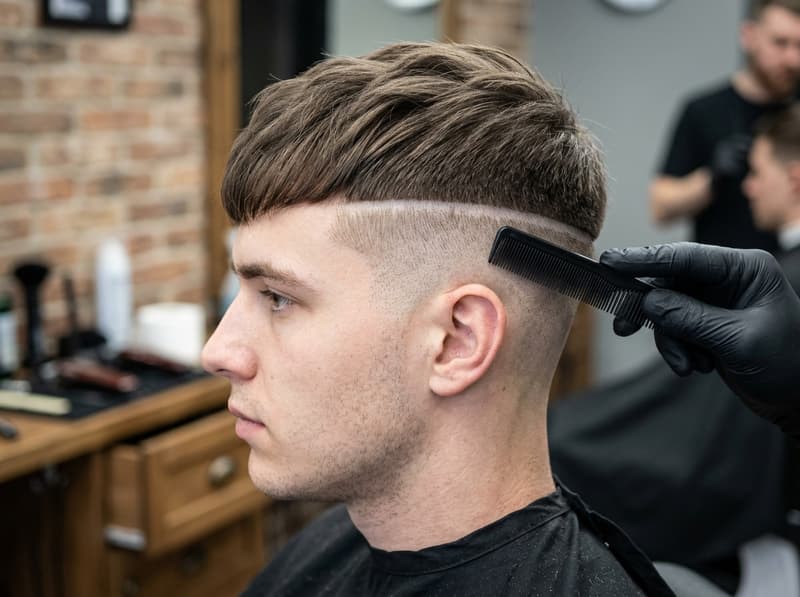
Disconnect
Intentional hard line between two lengths.
Look for: Visible sharp boundary
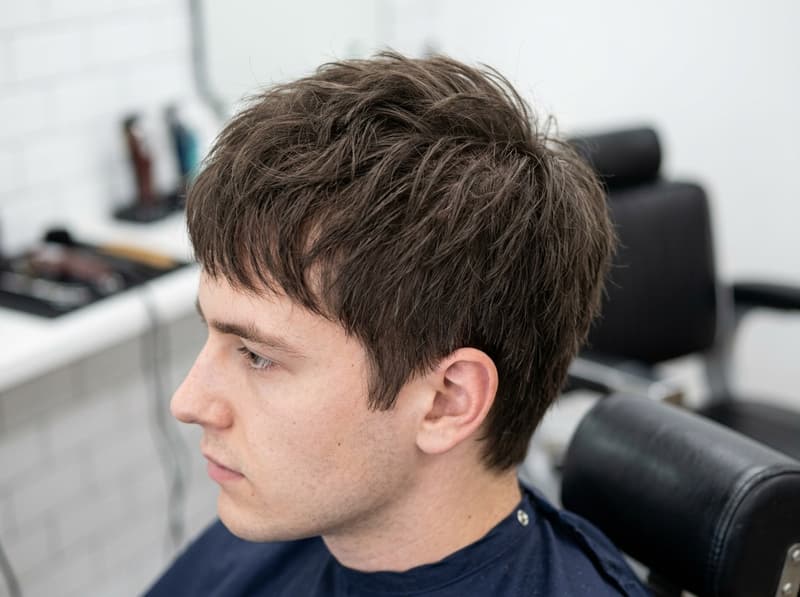
Thinning / Texturizing
Removing bulk without changing length.
Look for: Same length but less volume
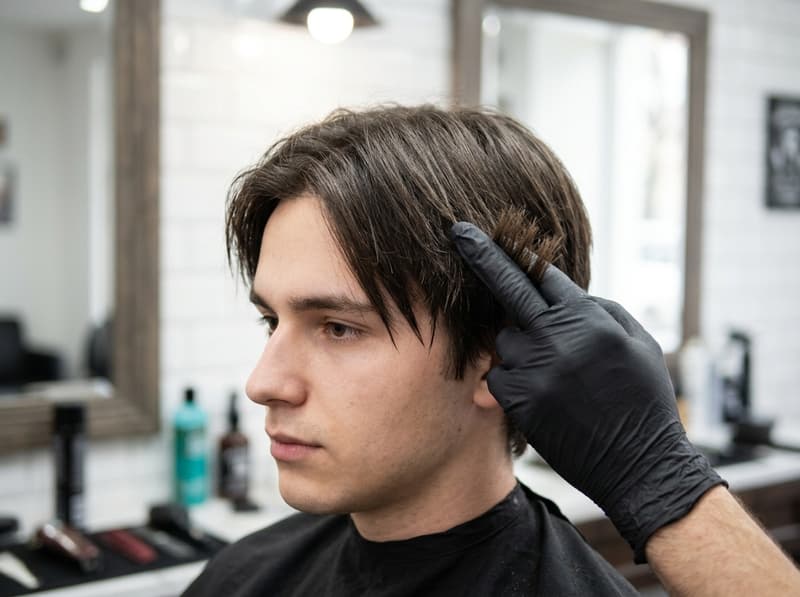
Point Cutting
Cutting into hair ends at an angle for texture.
Look for: Pieces, not blunt ends
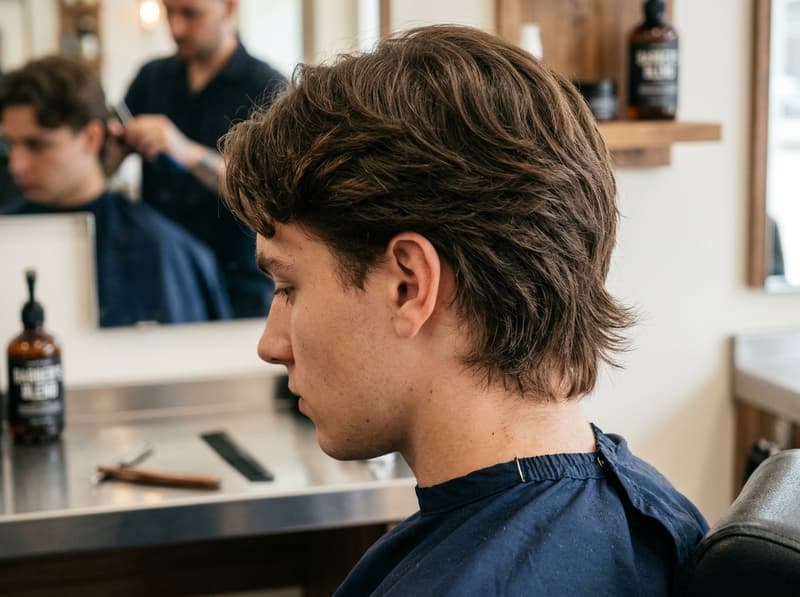
Razor Cut
Using a razor instead of scissors for softer edges.
Look for: Wispy, soft ends
Product Types
The styling products your barber might recommend — and when to use each one.
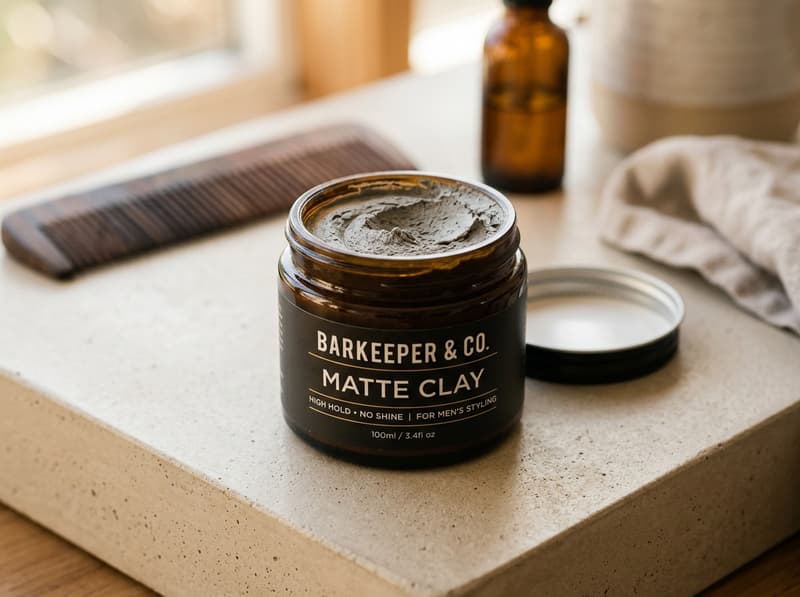
Matte Clay
Strong hold, no shine.
Best for: Textured crops, messy styles
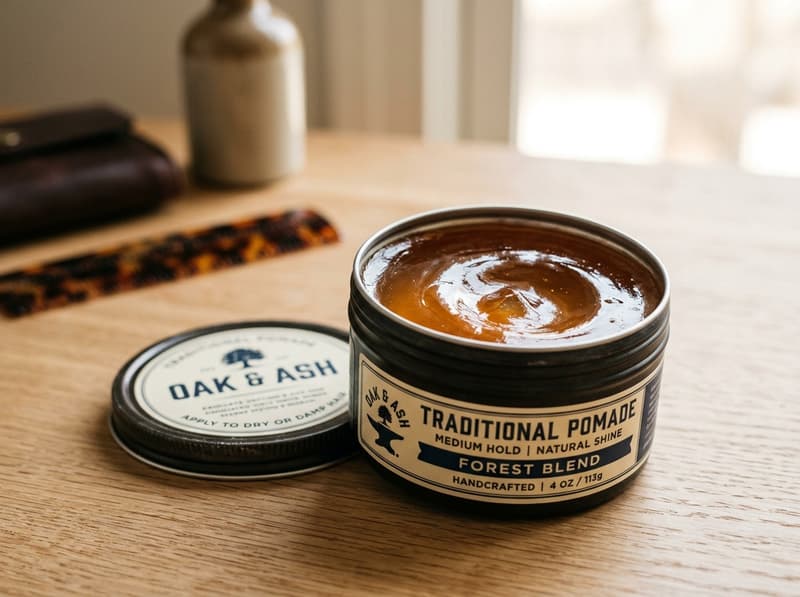
Pomade
Medium-strong hold, some shine.
Best for: Quiffs, side parts, slick backs
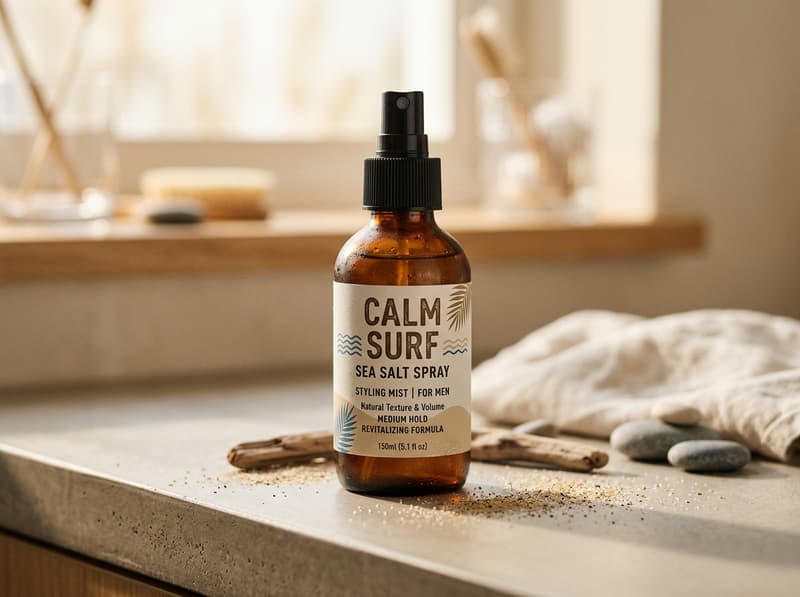
Sea Salt Spray
Light texture, beachy feel.
Best for: Mullets, shags, curtains
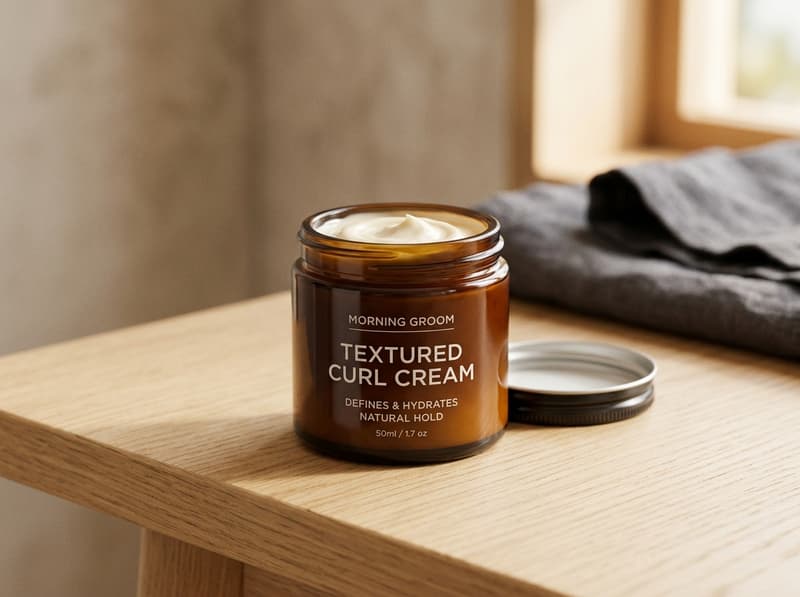
Curl Cream
Moisture + definition for curls.
Best for: Curly/coily styles
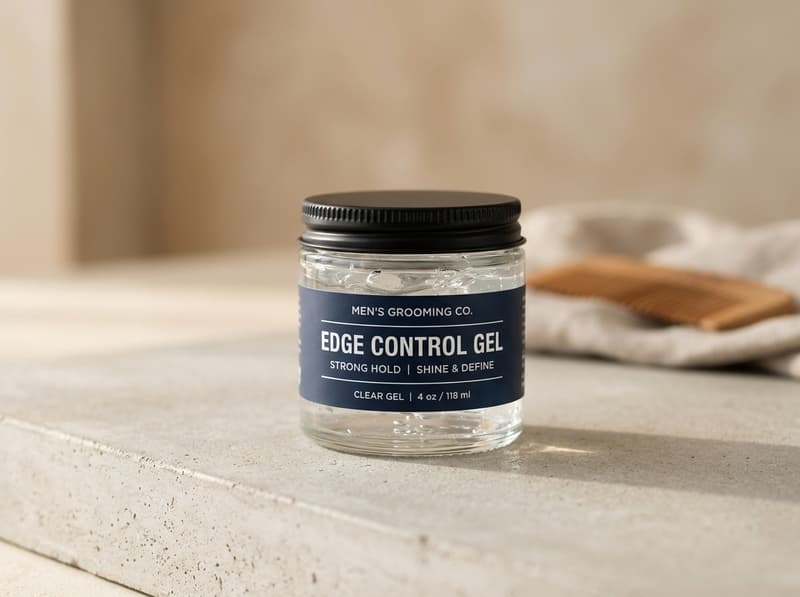
Edge Control
Strong hold gel for hairline smoothing.
Best for: Braids, twists, protective styles
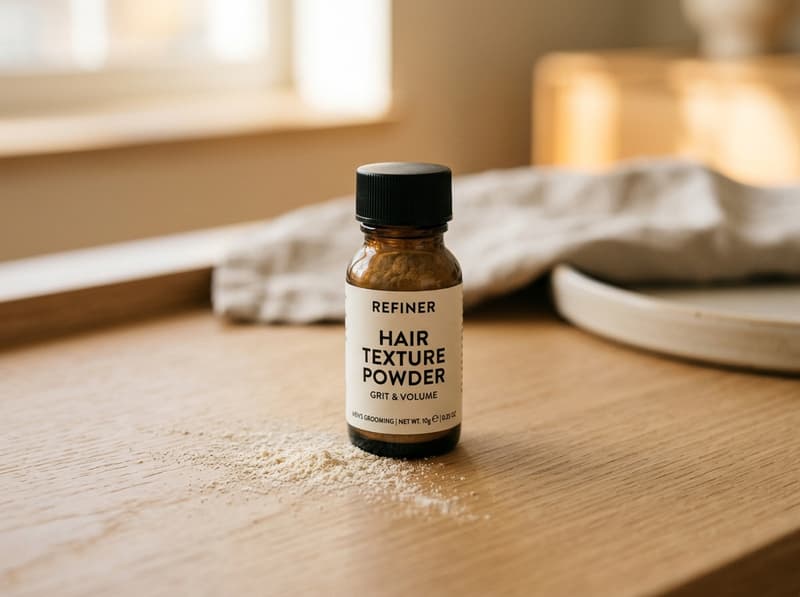
Texture Powder
Volume + grit, invisible product.
Best for: Fine hair, messy fringe
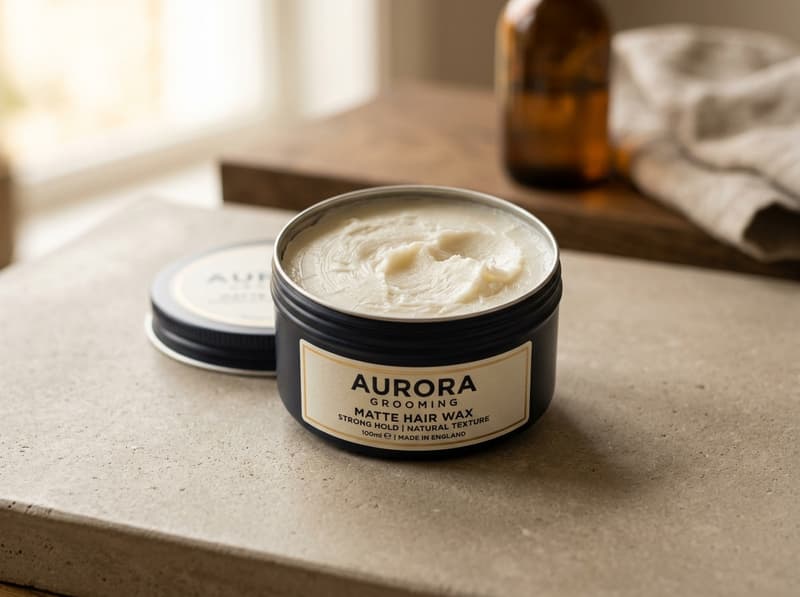
Wax
Flexible hold, slight shine.
Best for: Versatile, reworkable styles
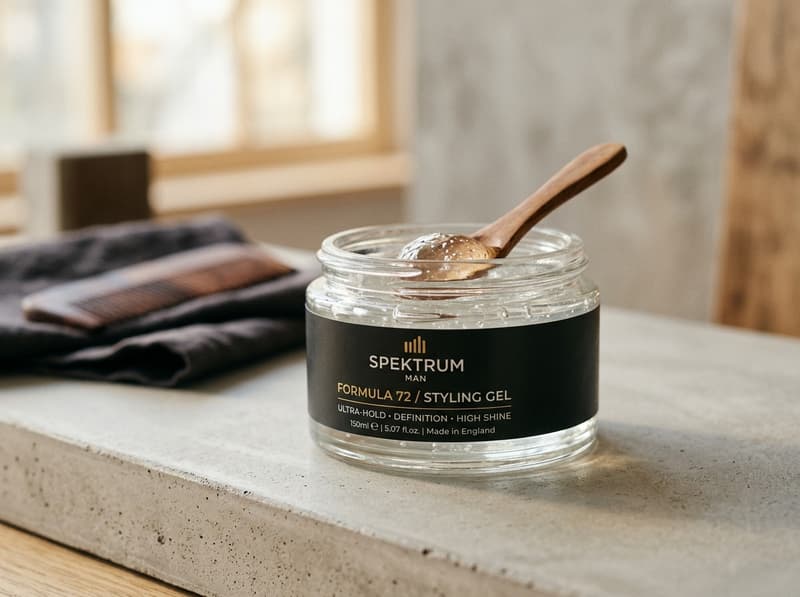
Gel
Strong hold, wet/shiny look.
Best for: Slick backs, hard parts