Haircut Dictionary
Every term you need to know before your next barbershop visit.
Fade & Taper Types
How the sides and back transition from longer to shorter — the most confusing terms for new barbershop visitors.
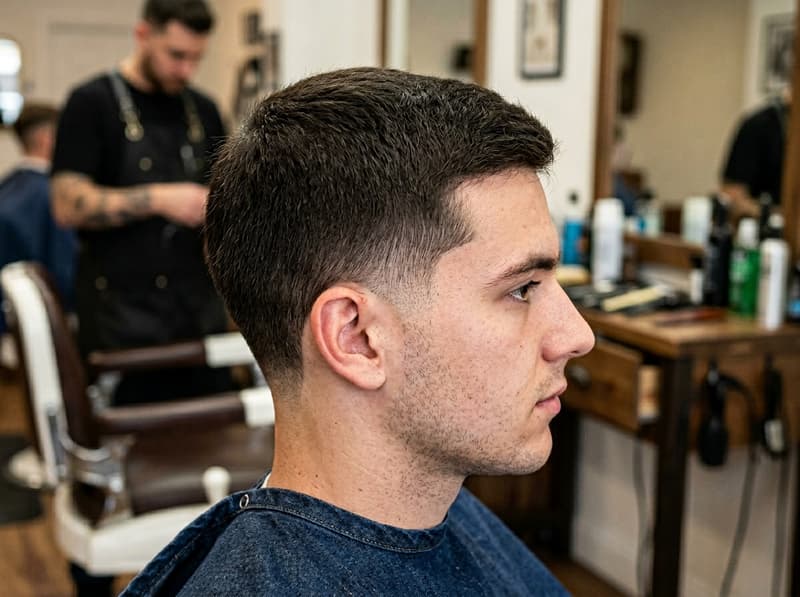
Low Taper
Gradual blend starting just above the ear and neckline. Subtle, conservative.
Look for: Hair still covers ears, gentle transition
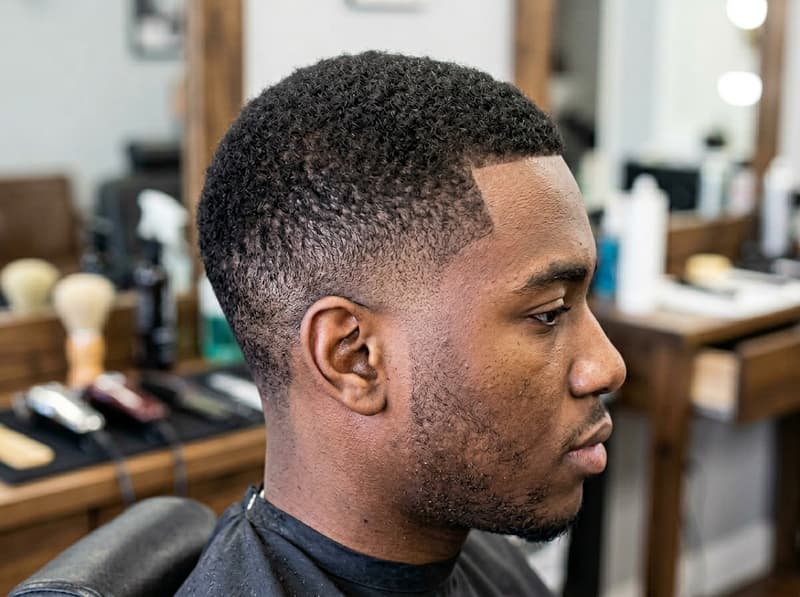
Mid Taper
Blend starts midway up the head, about ear level.
Look for: Clean around ears, natural above
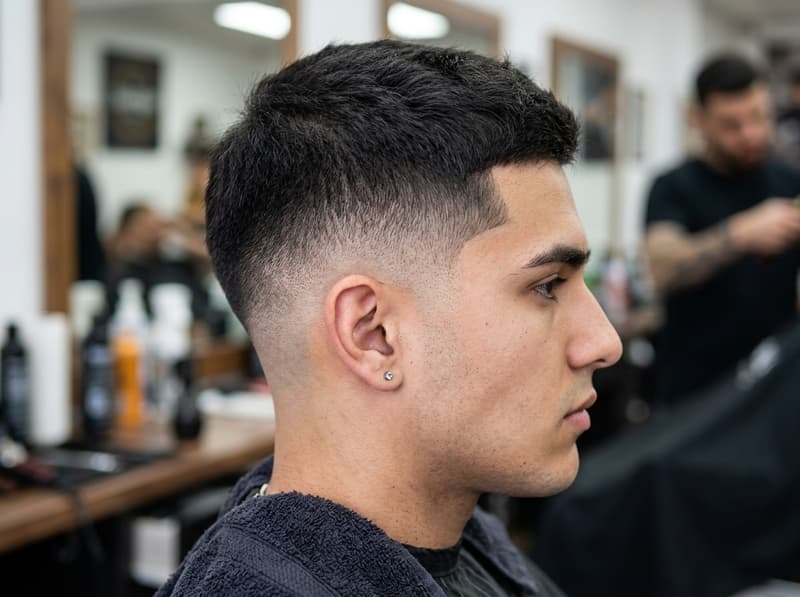
Low Fade
Skin-visible blend starting just above the ear. Sharper than a taper.
Look for: Skin shows at the very bottom, quick gradient
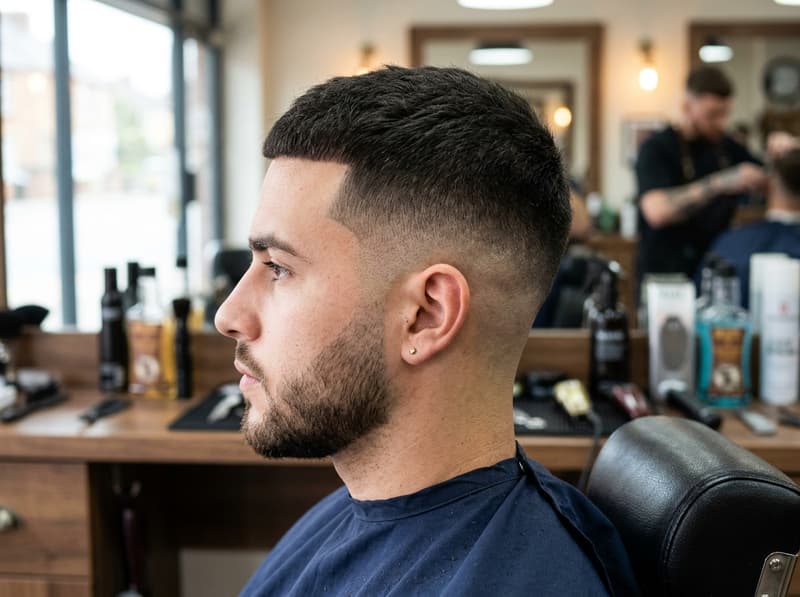
Mid Fade
Skin-visible blend starting at ear level. The most popular fade.
Look for: Clear skin exposure at temples, blends to length on top
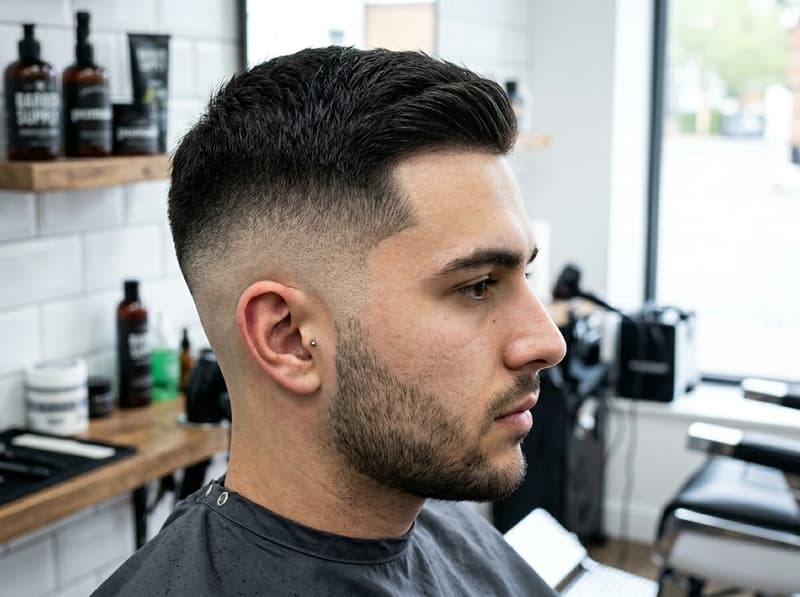
High Fade
Skin-visible blend starting well above the ear. Dramatic contrast.
Look for: Skin exposure goes high up the sides, lots of contrast
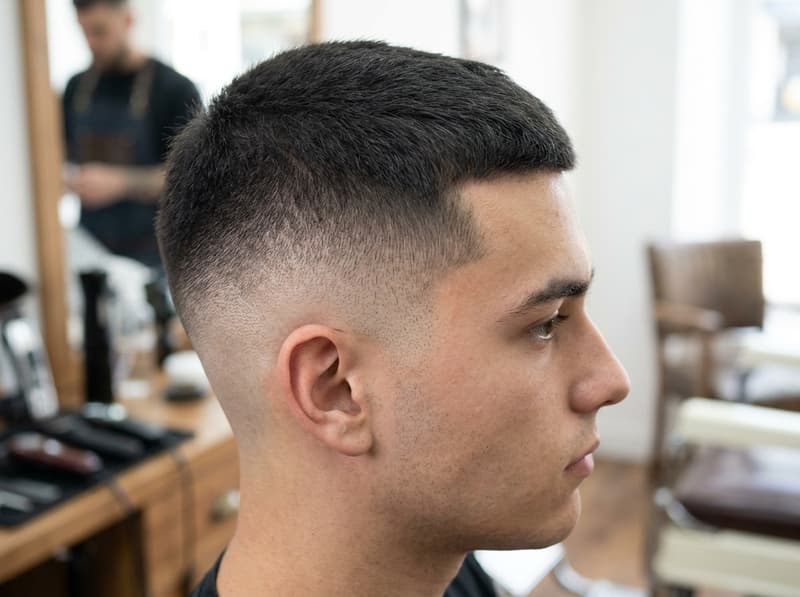
Skin Fade
Fades all the way down to bare skin (also called "bald fade").
Look for: Razor-smooth at the bottom
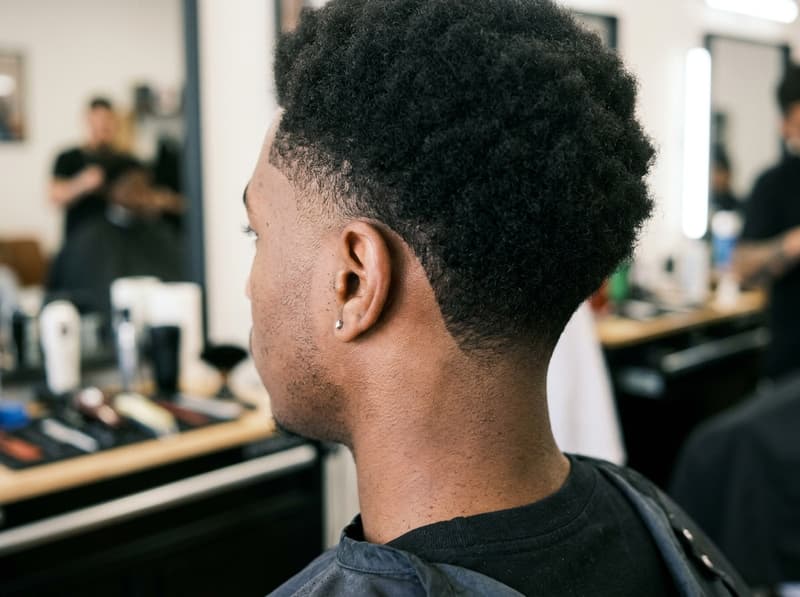
Burst Fade
Fade curves around the ear in a semicircle, leaving length at the back.
Look for: Distinctive curved shape behind the ear
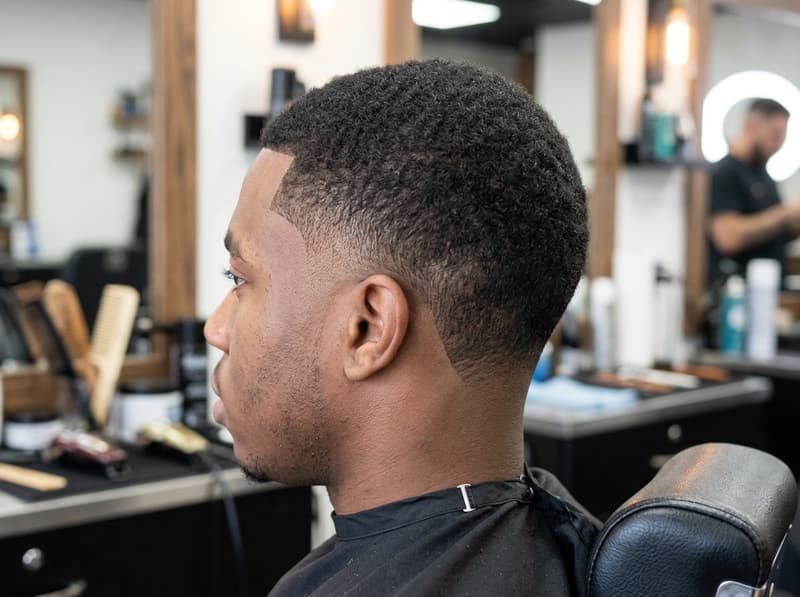
Drop Fade
Fade line drops down behind the ear rather than going straight across.
Look for: Lower in the back than the front
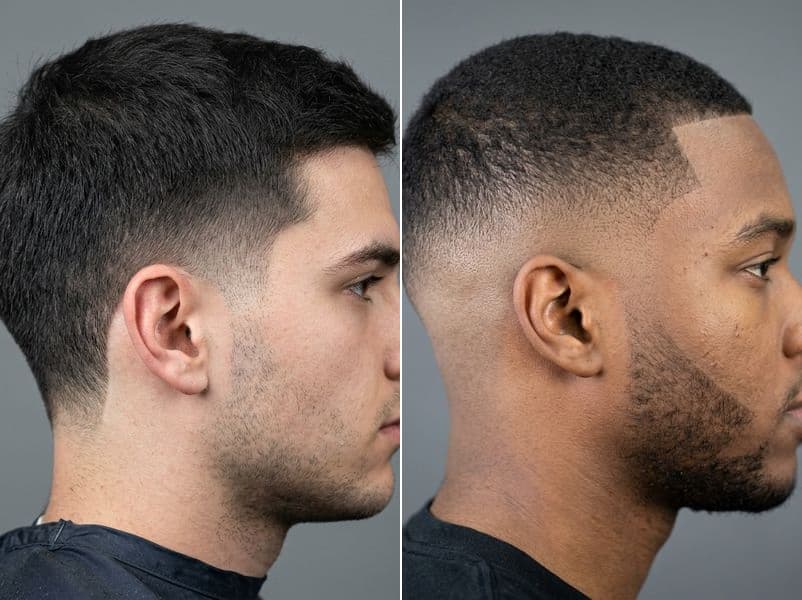
Taper vs Fade
Taper = gradual blend, never to skin. Fade = blends down to skin. Both describe the sides, but the end result is different.
Look for: Side-by-side comparison — taper keeps hair, fade exposes skin
Top Styles
What happens on top of the head — the part that defines your overall look.
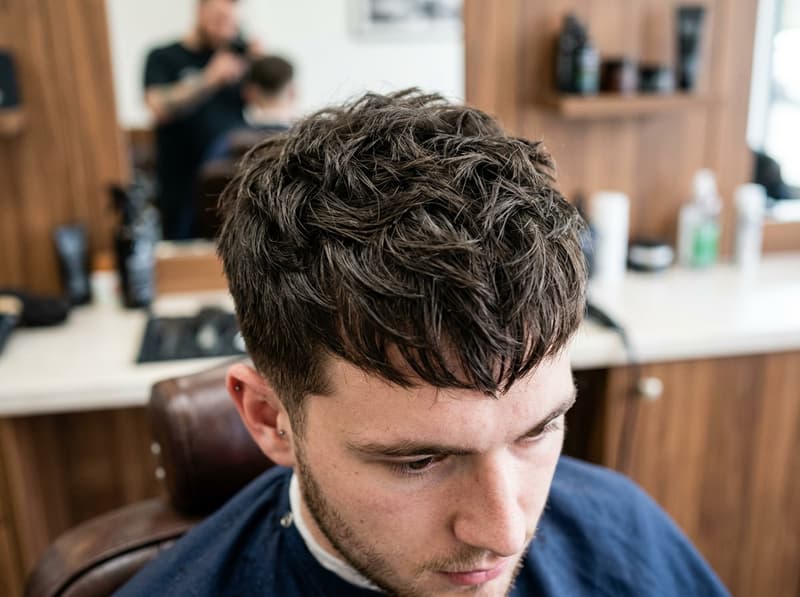
Textured Crop
Short choppy layers on top, usually pushed forward.
Look for: Visible individual pieces of hair, not smooth
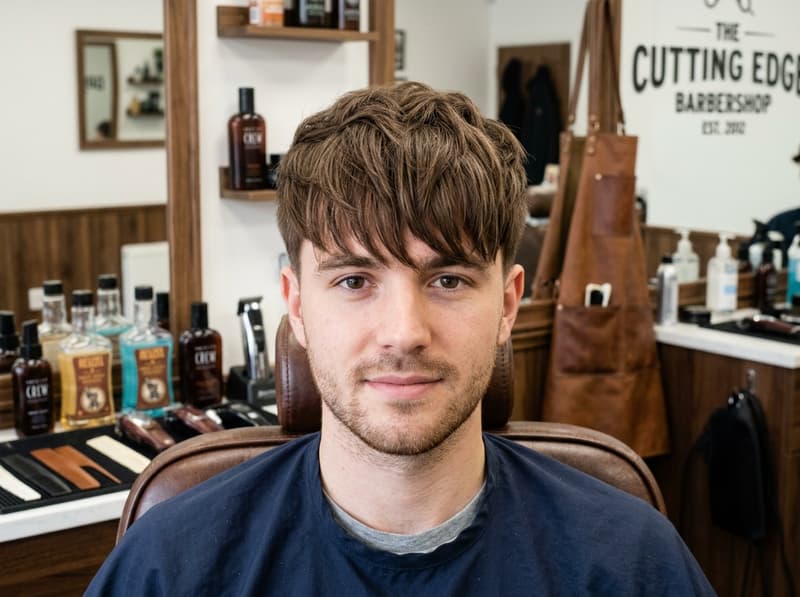
Fringe / Bangs
Hair falling forward over the forehead.
Look for: Hair covers forehead partially
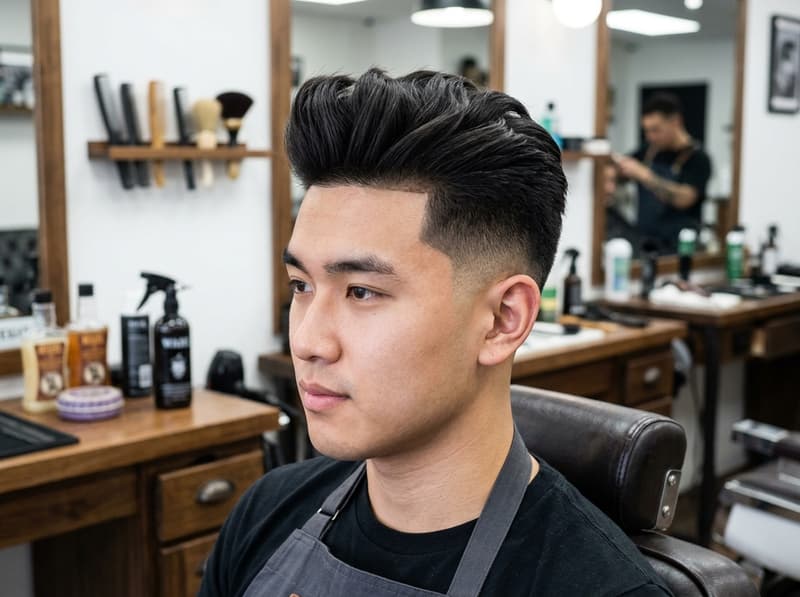
Quiff
Volume swept upward and slightly back at the front.
Look for: Height at the front, swept back
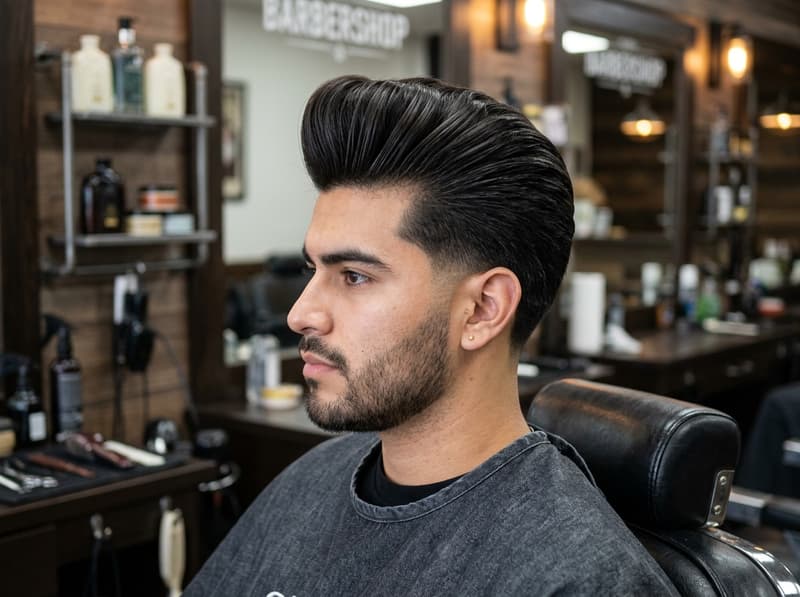
Pompadour
All volume swept up and back from the forehead. More dramatic than a quiff.
Look for: Big volume, slicked back, no fringe
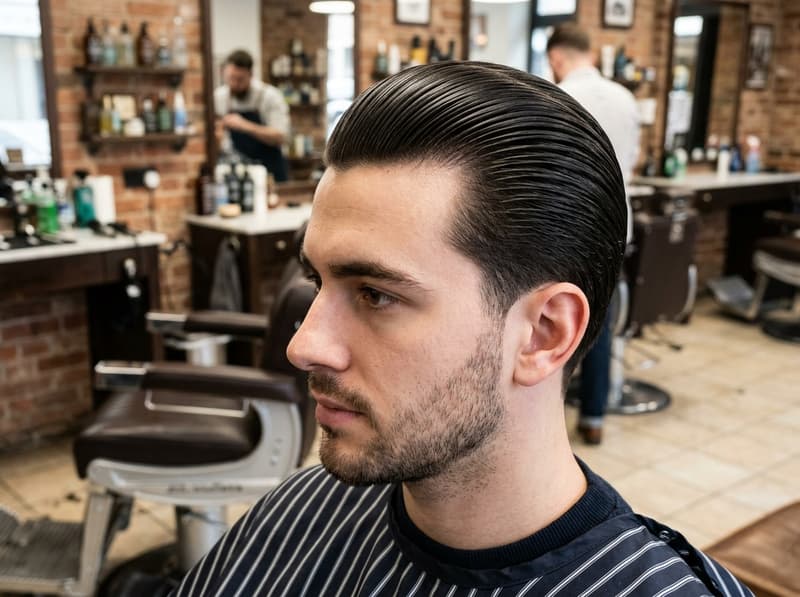
Slick Back
Hair combed flat straight back with product.
Look for: Smooth, shiny, flat against head
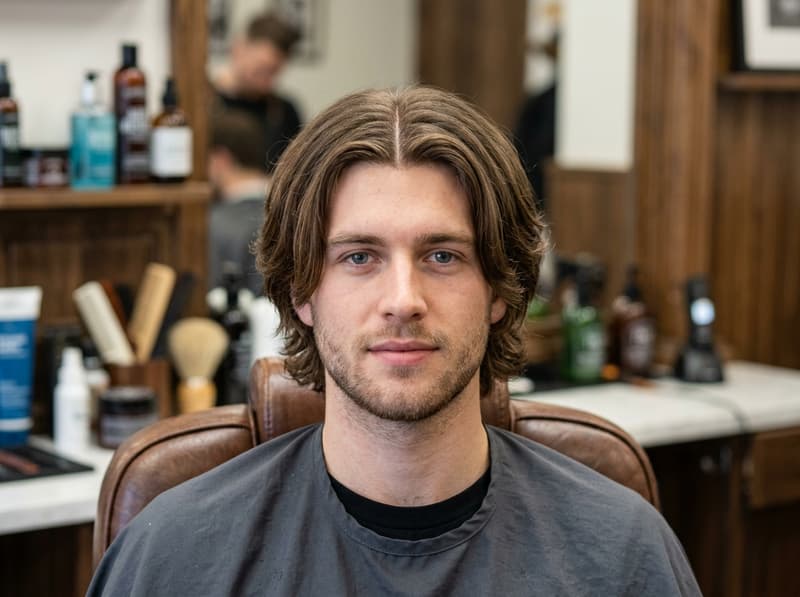
Curtains / Centre Part
Hair parted down the middle, falling to each side.
Look for: Visible centre line, hair draping each side
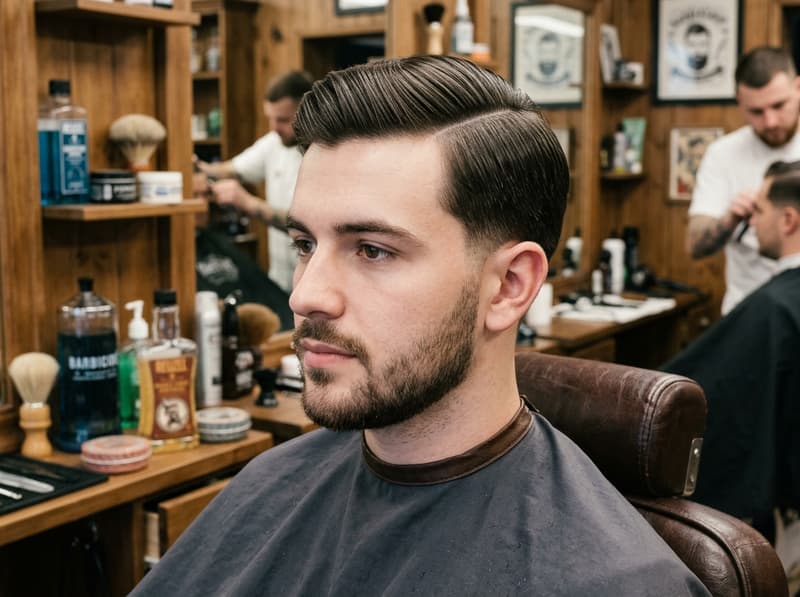
Side Part
Hair parted on one side, combed over.
Look for: Defined line on one side
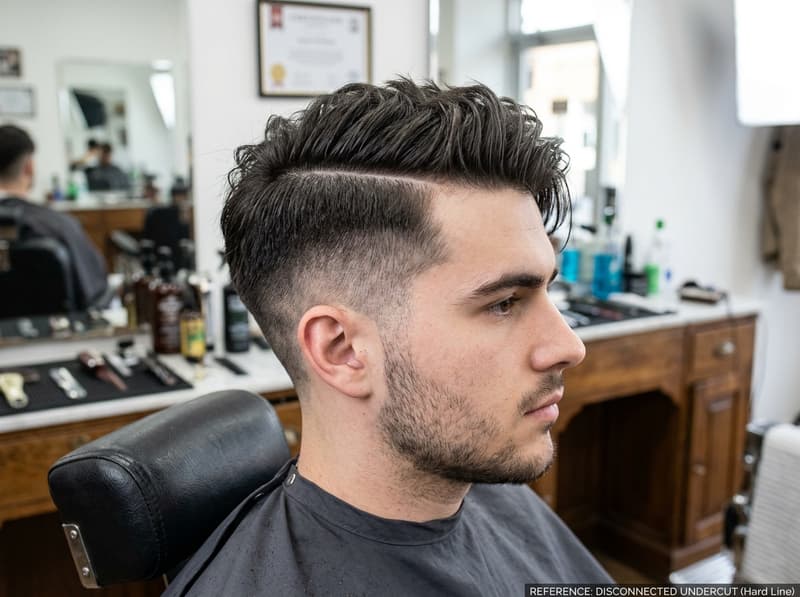
Undercut
Sharp disconnect between long top and short sides — no blending.
Look for: Visible hard line where top meets sides
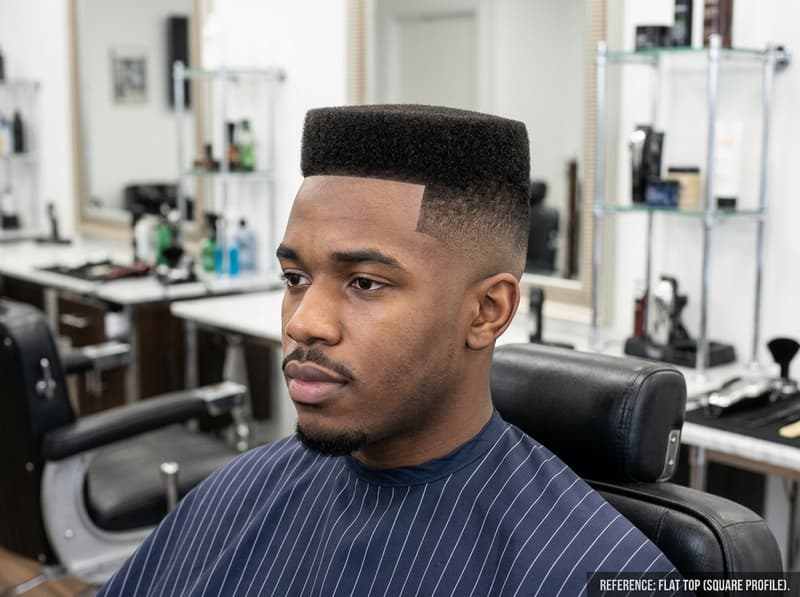
Flat Top
Top cut flat and square, creating a table-like silhouette.
Look for: Geometric, flat horizontal plane
Texture & Curl Terms
Hair types and techniques that create or enhance texture and curl pattern.
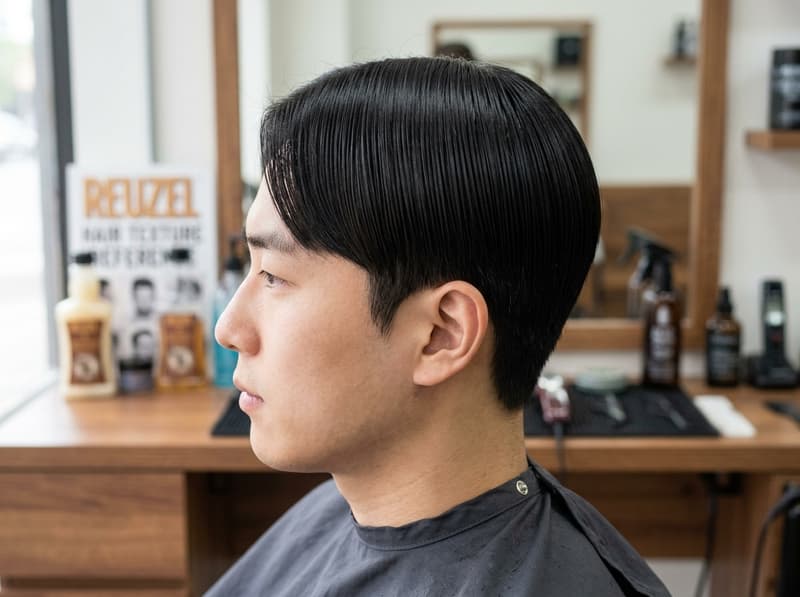
Straight
Hair falls flat without curving. Type 1 hair.
Look for: Smooth, no wave pattern
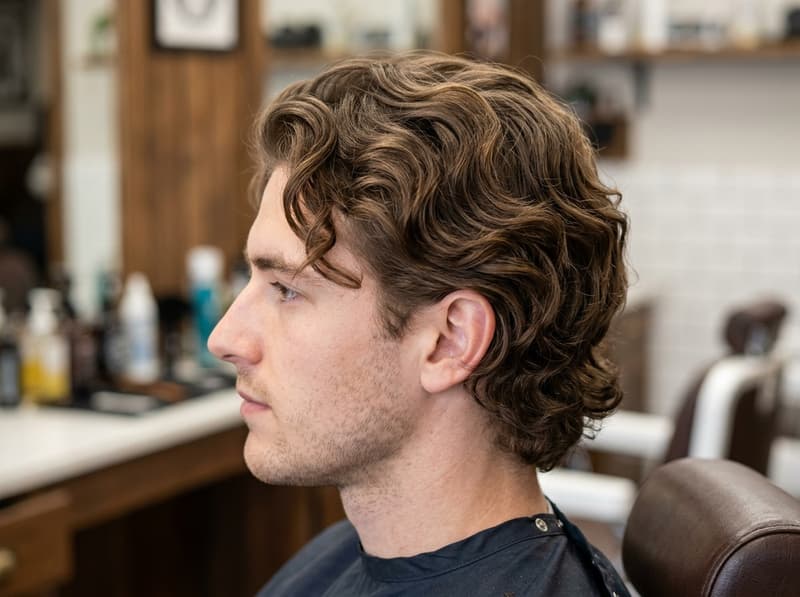
Wavy
Loose S-curves, not full spirals. Type 2 hair.
Look for: Gentle bends, some movement
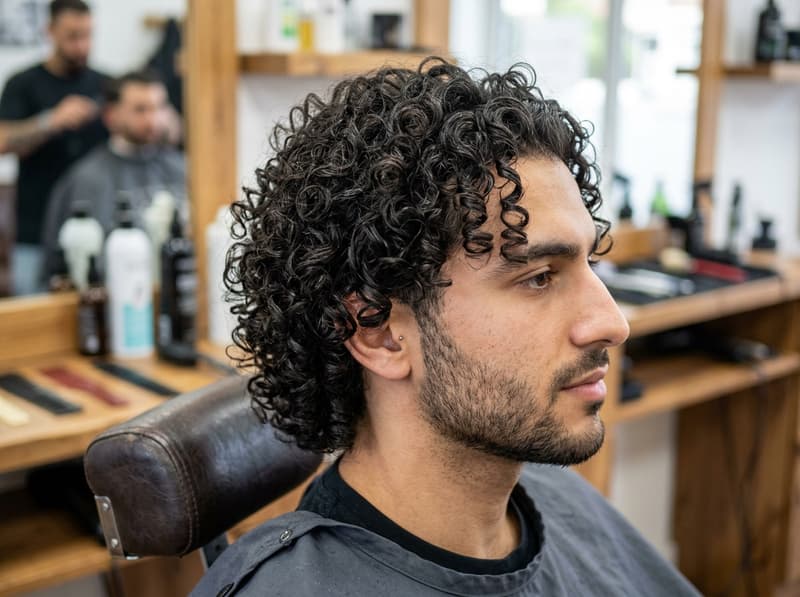
Curly
Defined spiral curls. Type 3 hair.
Look for: Visible coils/ringlets
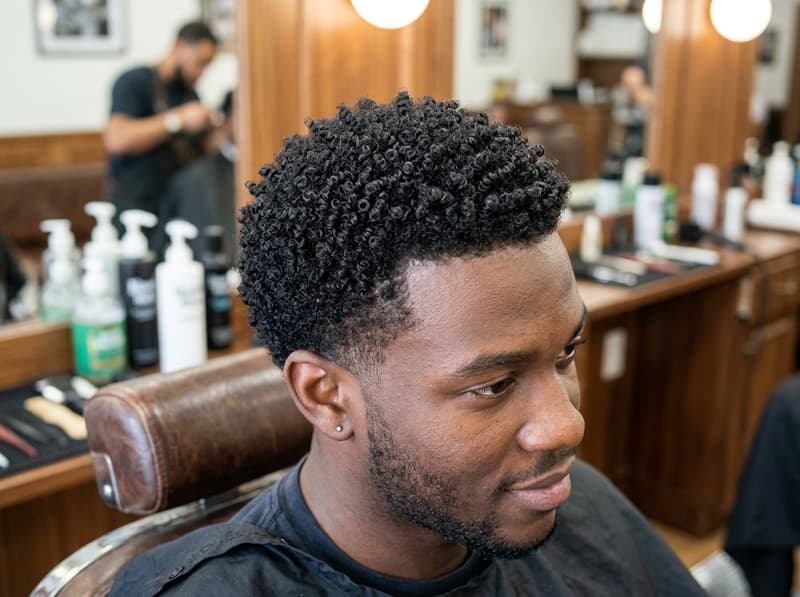
Coily
Tight zigzag or coil pattern. Type 4 hair.
Look for: Very tight, springy curls
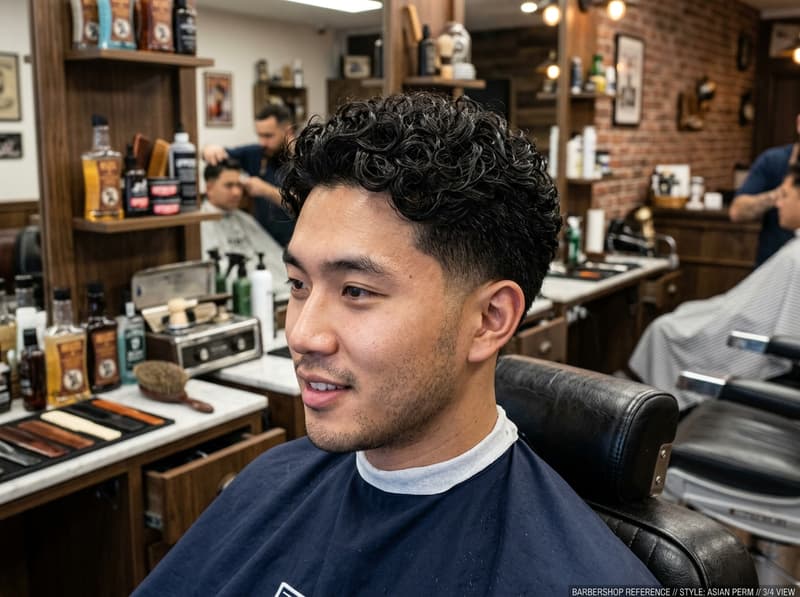
Perm
Chemical treatment to add curl to straight hair.
Look for: Uniform curls on previously straight hair
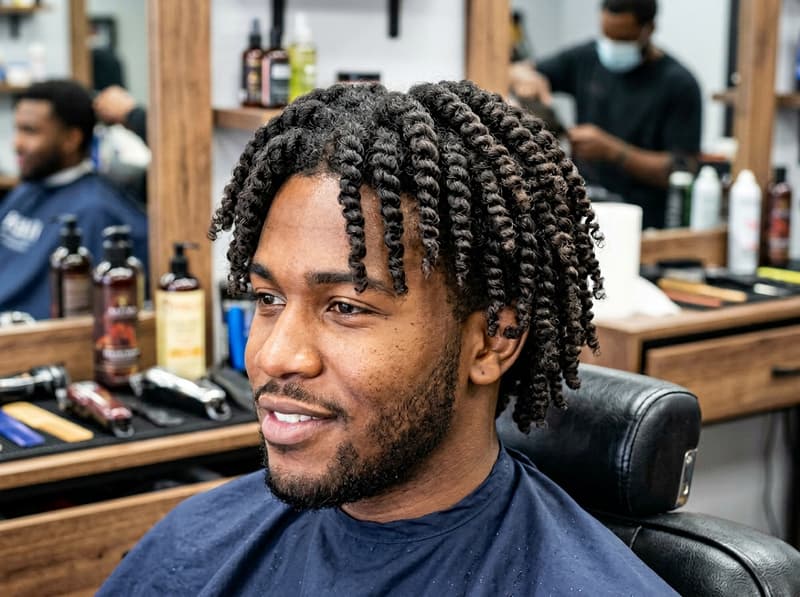
Twist-out
Style created by unraveling two-strand twists.
Look for: Defined wave pattern from twist shape
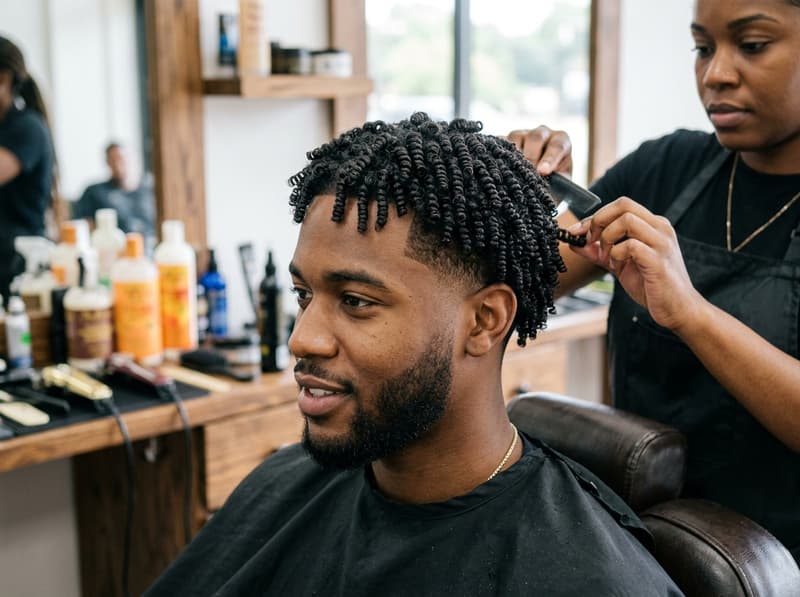
Finger Coils
Individual curls shaped by wrapping around a finger.
Look for: Uniform, defined individual coils
Protective Styles
Styles that protect hair from damage by minimizing manipulation and exposure.
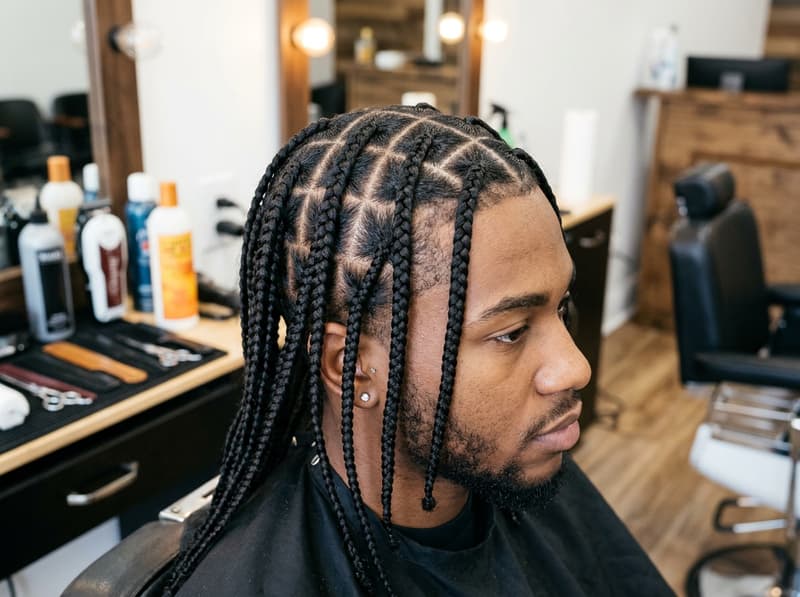
Box Braids
Hair sectioned into square parts, each braided down.
Look for: Visible square/box-shaped sections at the scalp
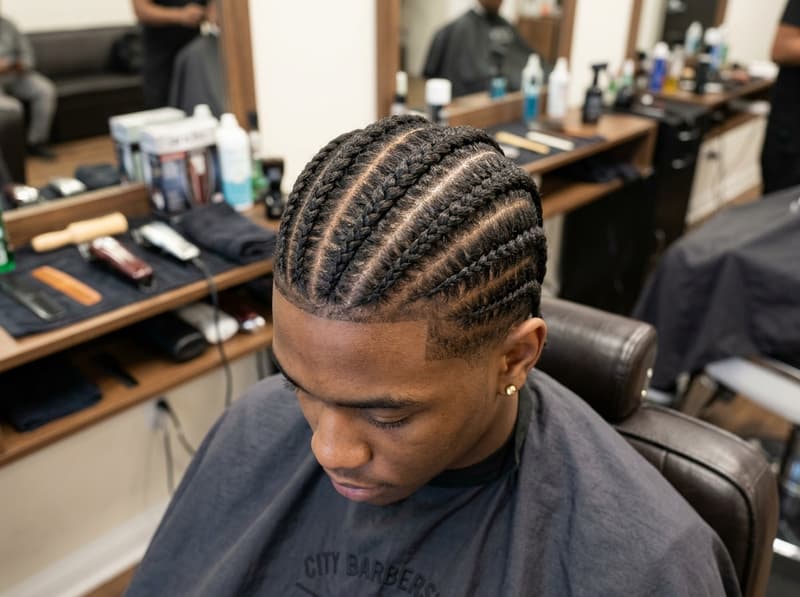
Cornrows
Hair braided flat against the scalp in rows.
Look for: Raised braids flush to head, visible scalp between rows
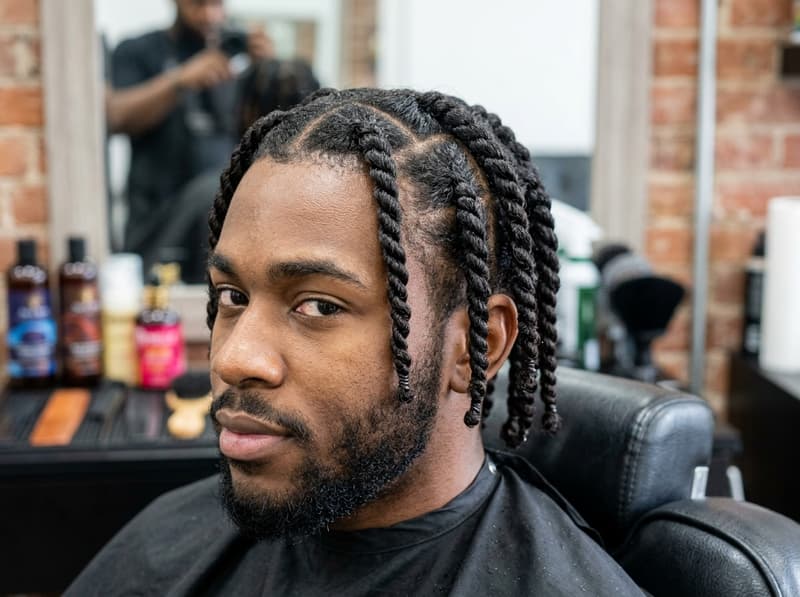
Two-Strand Twists
Two sections of hair wound around each other.
Look for: Rope-like twisted strands
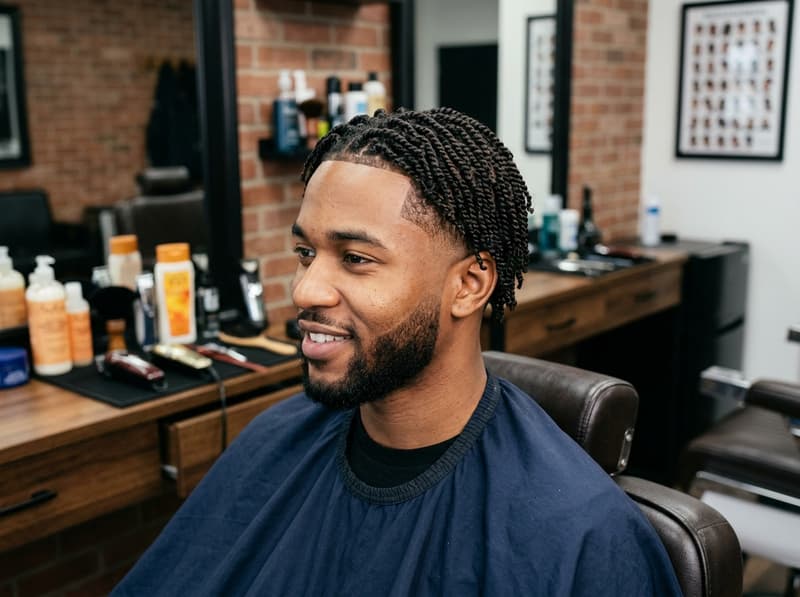
Mini Twists
Smaller, more numerous twists for a refined look.
Look for: Many small, uniform twists
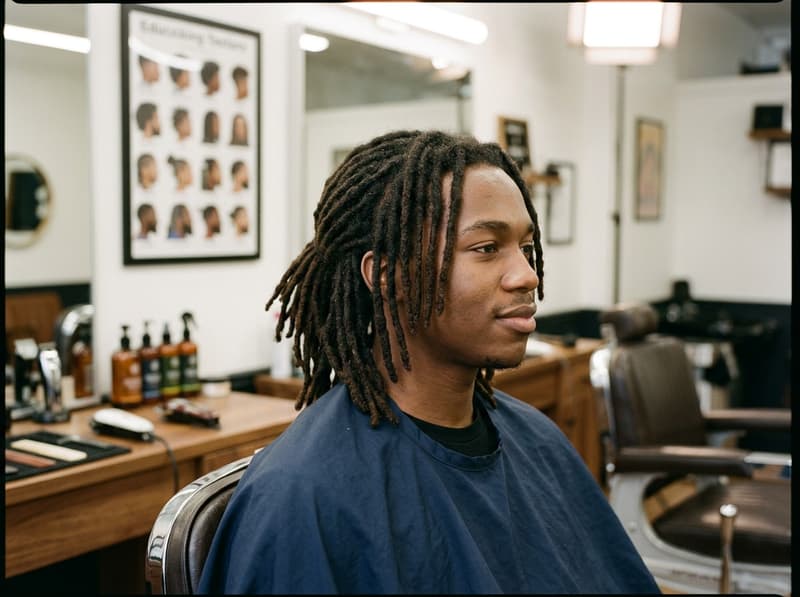
Locs
Hair allowed to mat and lock together permanently.
Look for: Thick, rope-like strands (formed over time)
Barber Finishing Techniques
The final touches your barber applies to clean up and refine the cut.
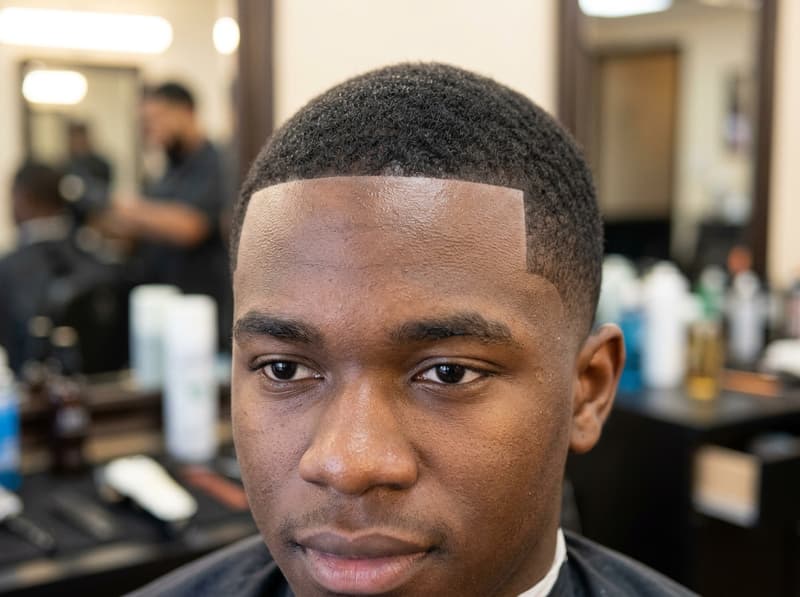
Shape-up / Line-up
Razor-clean edges around the hairline, temples, and nape.
Look for: Sharp, geometric hairline
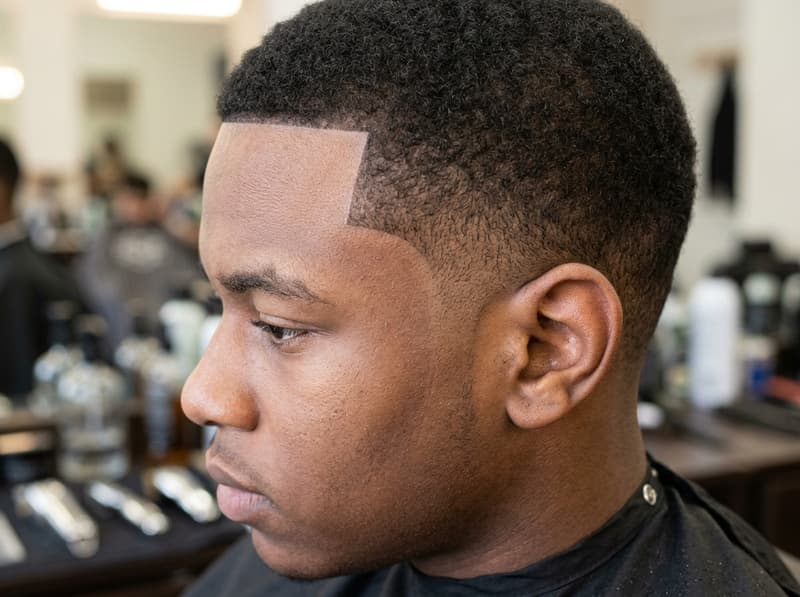
Edge-up
Same as shape-up — clean defined edges.
Look for: Razor-precise lines
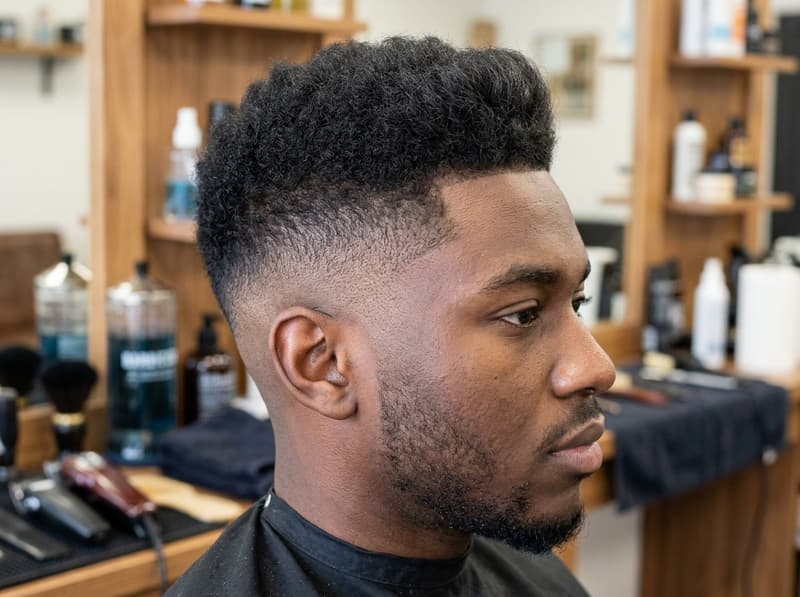
Blend
Seamless transition between two lengths.
Look for: Gradual, no visible line
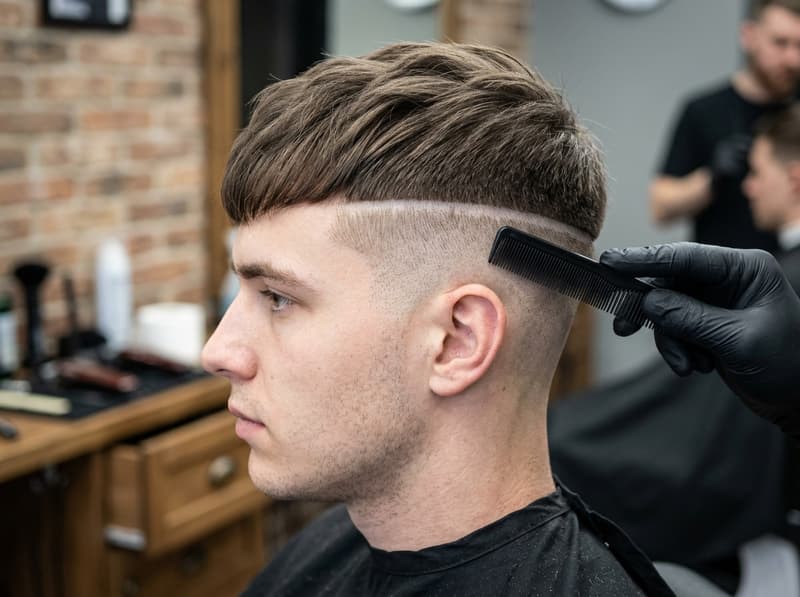
Disconnect
Intentional hard line between two lengths.
Look for: Visible sharp boundary
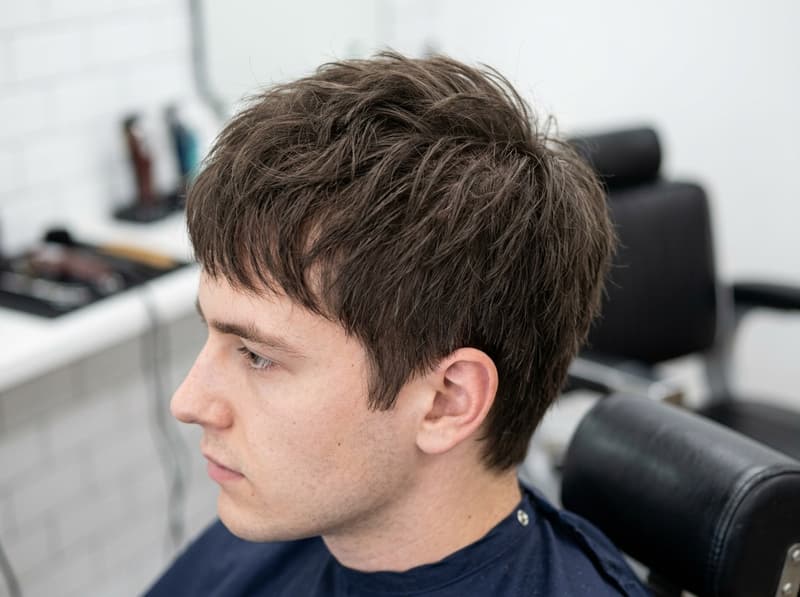
Thinning / Texturizing
Removing bulk without changing length.
Look for: Same length but less volume
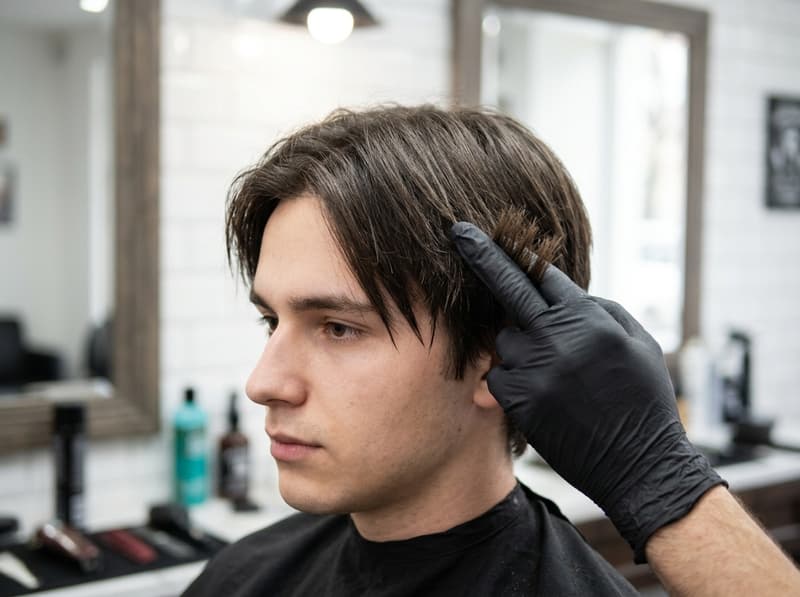
Point Cutting
Cutting into hair ends at an angle for texture.
Look for: Pieces, not blunt ends
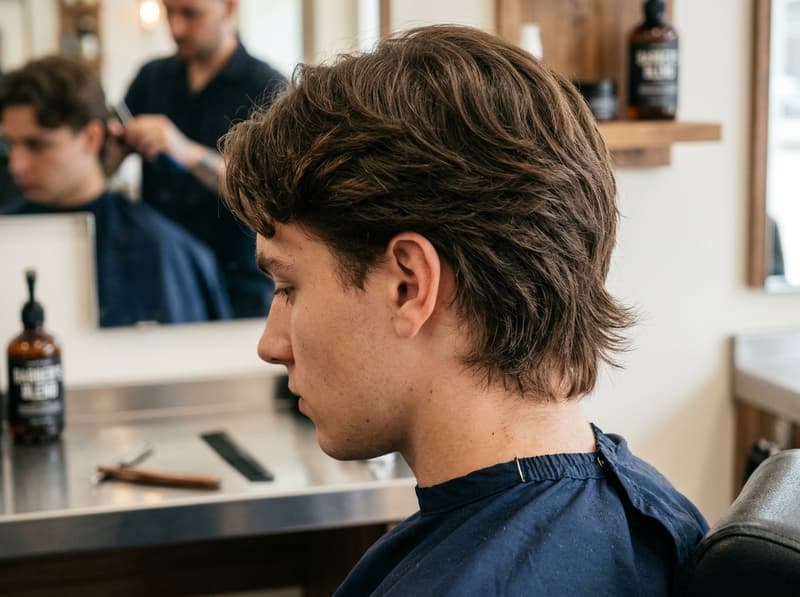
Razor Cut
Using a razor instead of scissors for softer edges.
Look for: Wispy, soft ends
Product Types
The styling products your barber might recommend — and when to use each one.
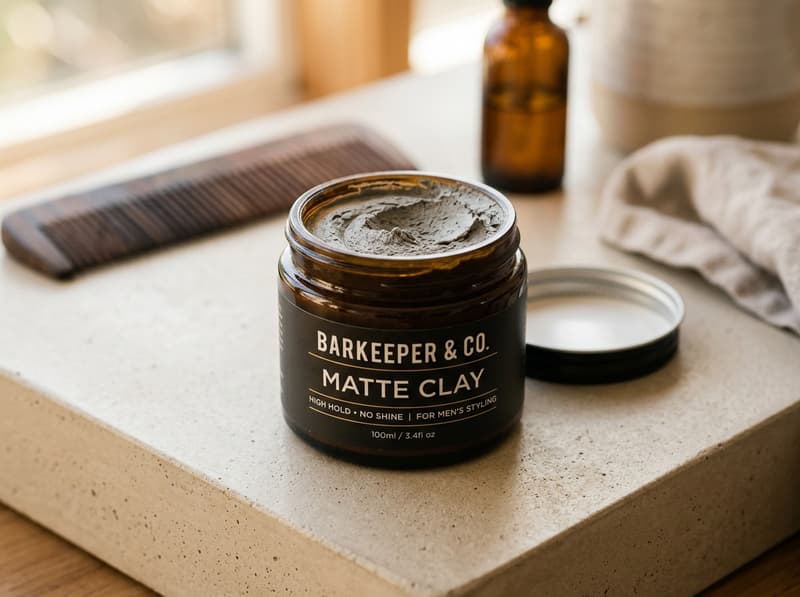
Matte Clay
Strong hold, no shine.
Best for: Textured crops, messy styles
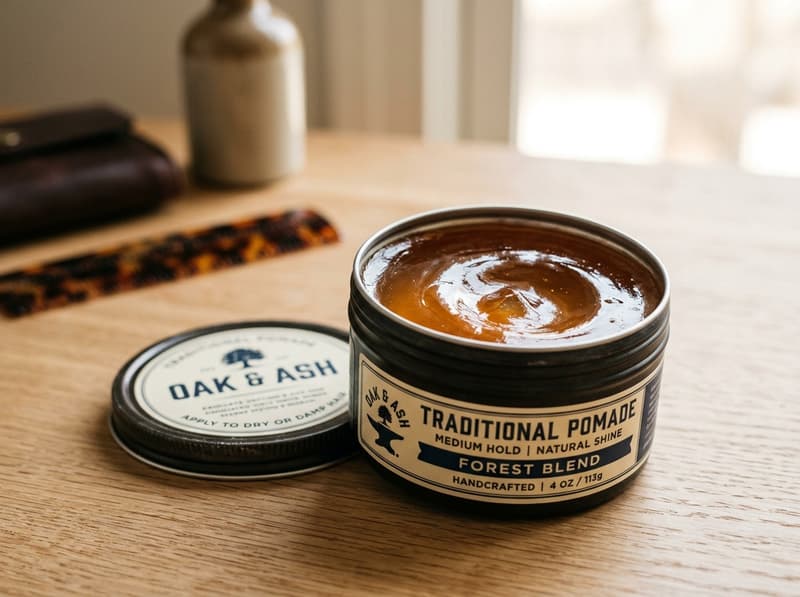
Pomade
Medium-strong hold, some shine.
Best for: Quiffs, side parts, slick backs
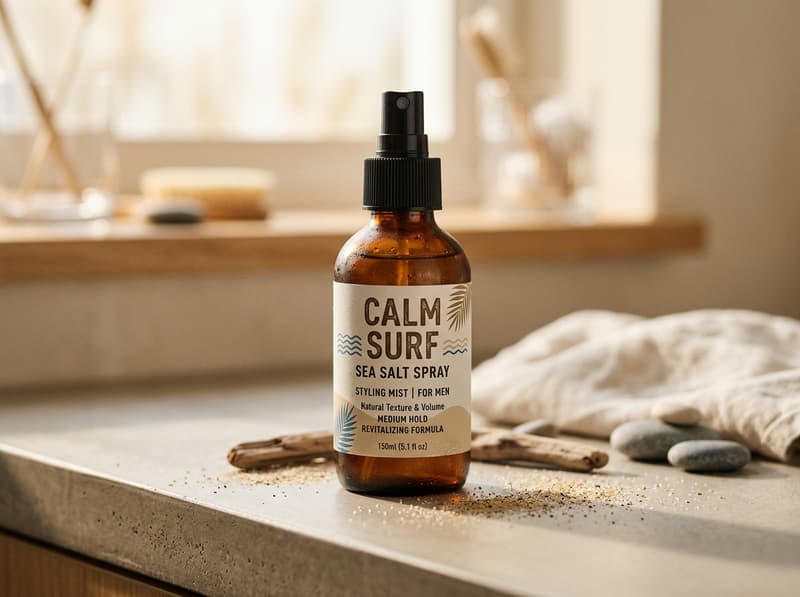
Sea Salt Spray
Light texture, beachy feel.
Best for: Mullets, shags, curtains
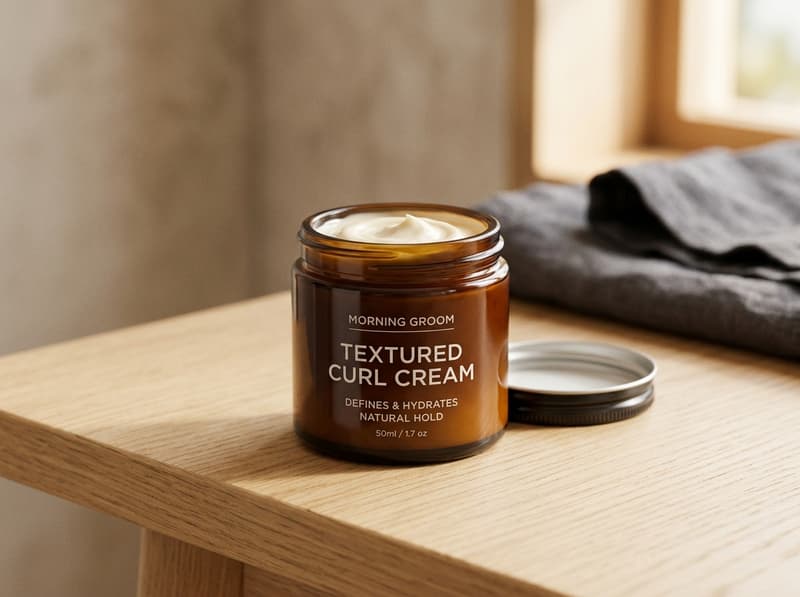
Curl Cream
Moisture + definition for curls.
Best for: Curly/coily styles
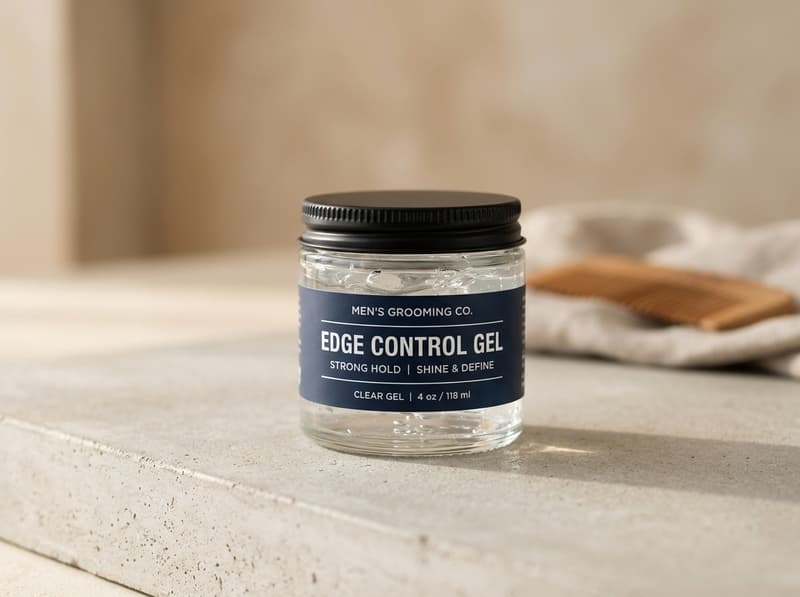
Edge Control
Strong hold gel for hairline smoothing.
Best for: Braids, twists, protective styles
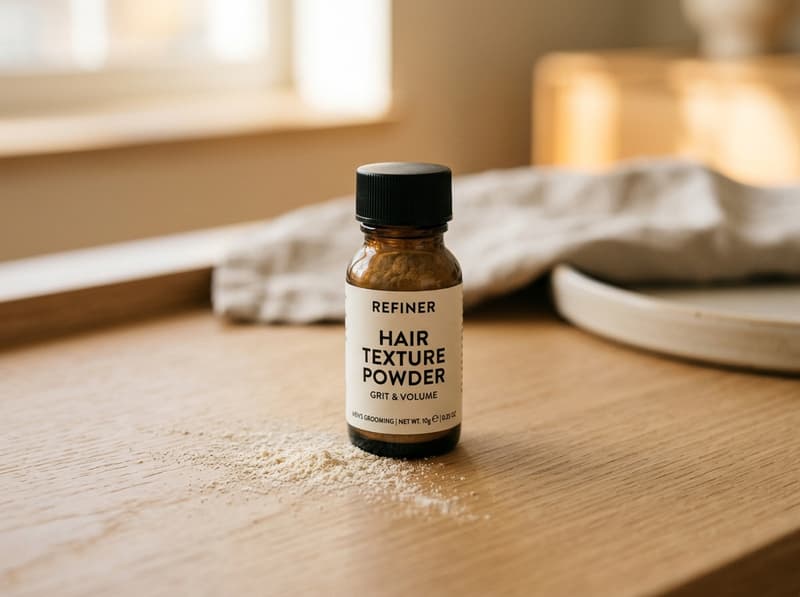
Texture Powder
Volume + grit, invisible product.
Best for: Fine hair, messy fringe
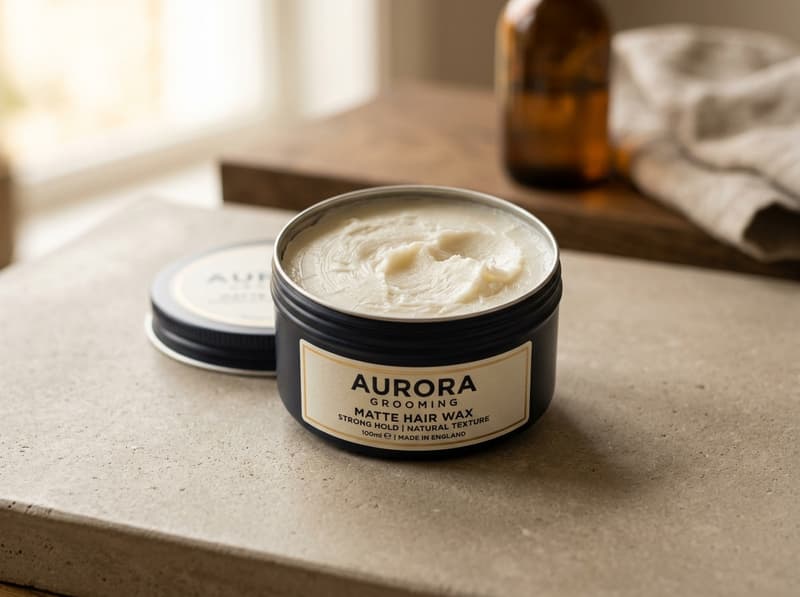
Wax
Flexible hold, slight shine.
Best for: Versatile, reworkable styles
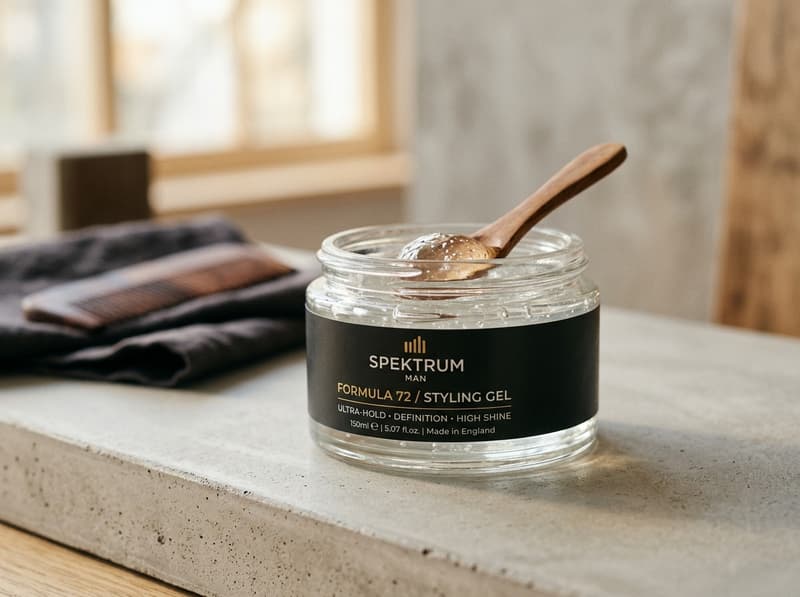
Gel
Strong hold, wet/shiny look.
Best for: Slick backs, hard parts